
Museum Lighting Solutions | Museum Lighting Design Process
Museum Lighting Design Process
For museum projects, architects can be responsible for basic architectural lighting design in areas such as natural lighting, outdoor and on-site, public spaces, office lighting, storage facilities, etc. "Museum lighting" generally refers to the lighting of exhibition halls, exhibitions and exhibits, also known as "museum exhibition lighting". Museum lighting design is coordinated by the museum, curators, exhibition designers, architects, electrical engineers and lighting designers. Museum lighting is related to the "Safety", "Revivification" and "Comfort" of cultural relics. It is a professional lighting field. The museum lighting design team should design reasonable lighting solutions to support the key design goals of the project.
It mainly includes:
1) Curatorial needs
2) Cultural relics protection
3) Restoration of the history and art of exhibits
4) Visitor experience
5) Budget
6) Equipment maintenance and sustainable development
7) Social impact and media communication
In the museum lighting design process, each of the above goals must be constantly re-examined to maximize the achievement of the goal. Corresponding to the different stages of museum and museum exhibition construction, the lighting design process includes six stages.
1) Project analysis
2) Lighting concept design
3) Detailed design
4) Construction documents
5) Equipment installation
6) Project acceptance and maintenance
Each phase can be a progressively refined process that is modular and flexible. In most projects, some phases are either reduced or skipped. Additionally, the design team may consist of fewer members, with a single team member fulfilling multiple roles. Therefore, the process outlined here can be modified to fit the overall project design goals.
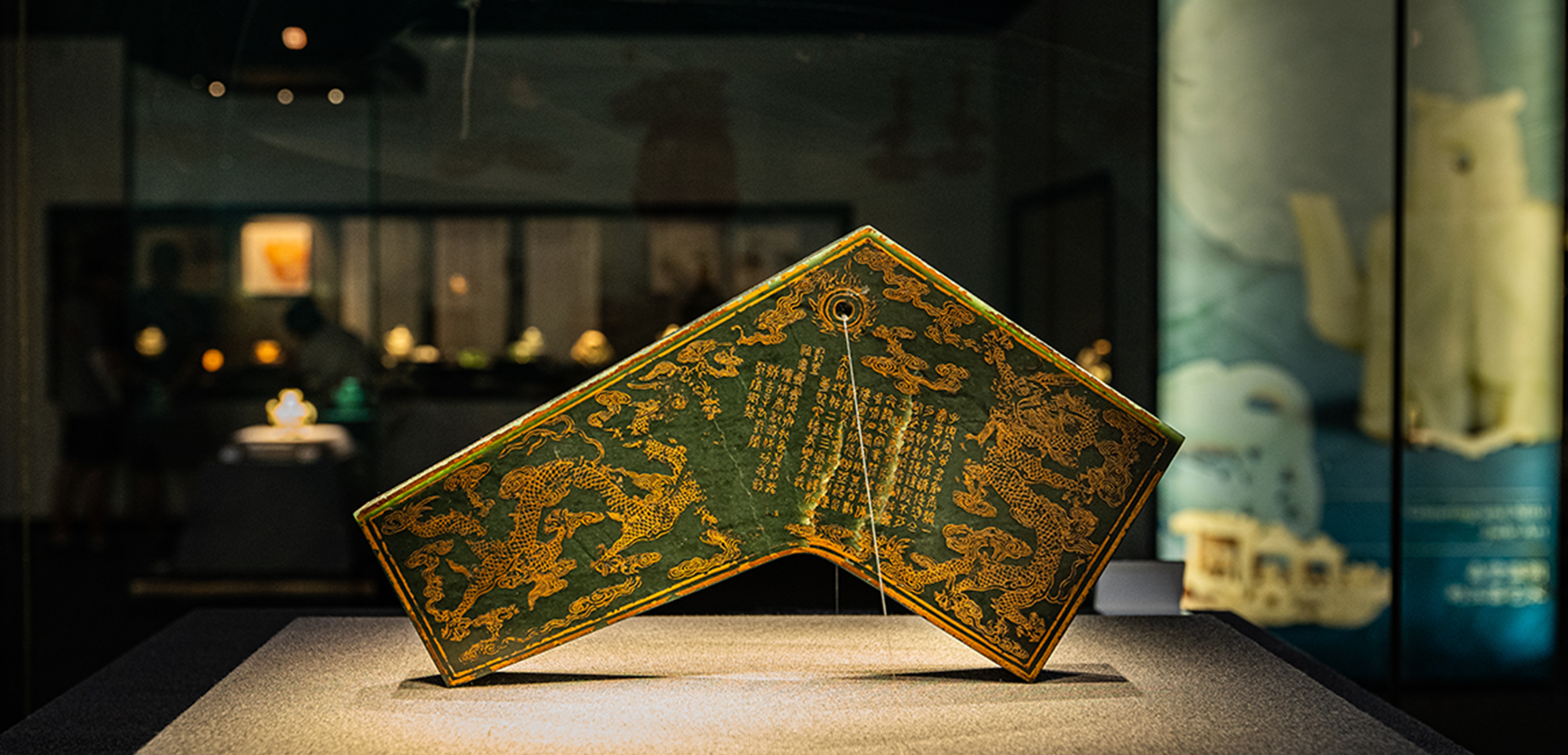
Project analysis: how lighting accomplishes curatorial goals
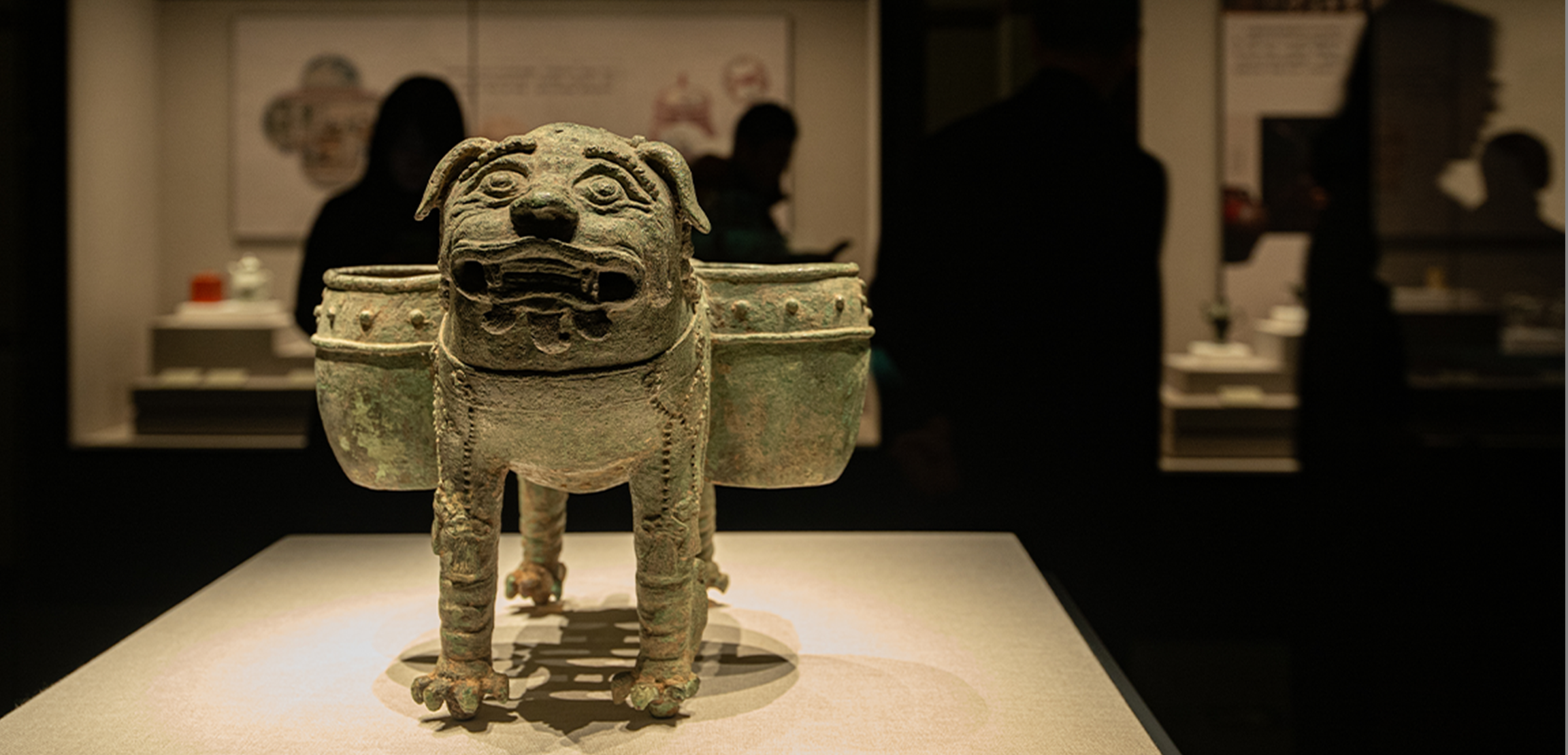
Lighting Concept Design: Preliminary Design Evaluation Phase
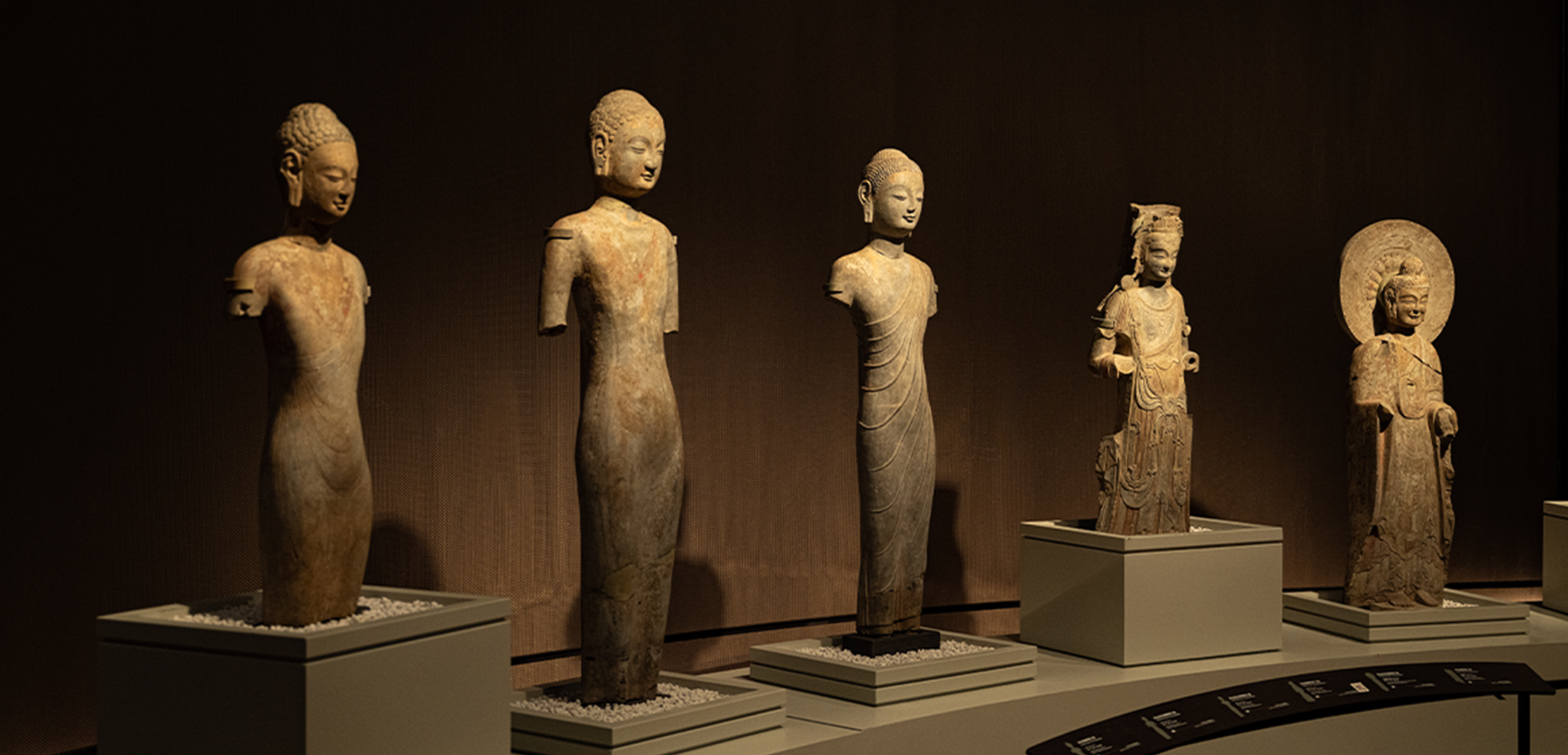
Deepening the design: further refining and implementing the solution
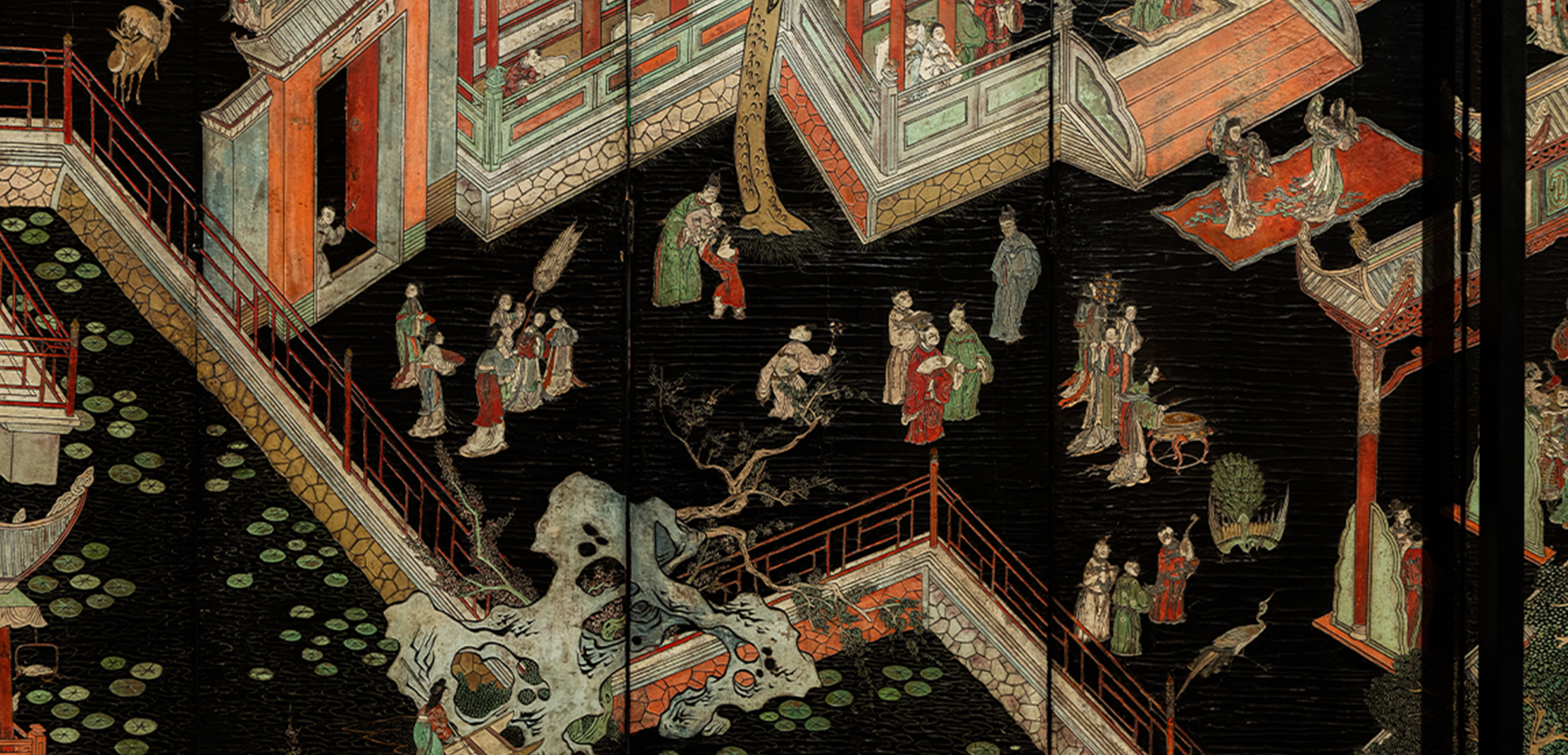
Construction Documents: Final Design Phase
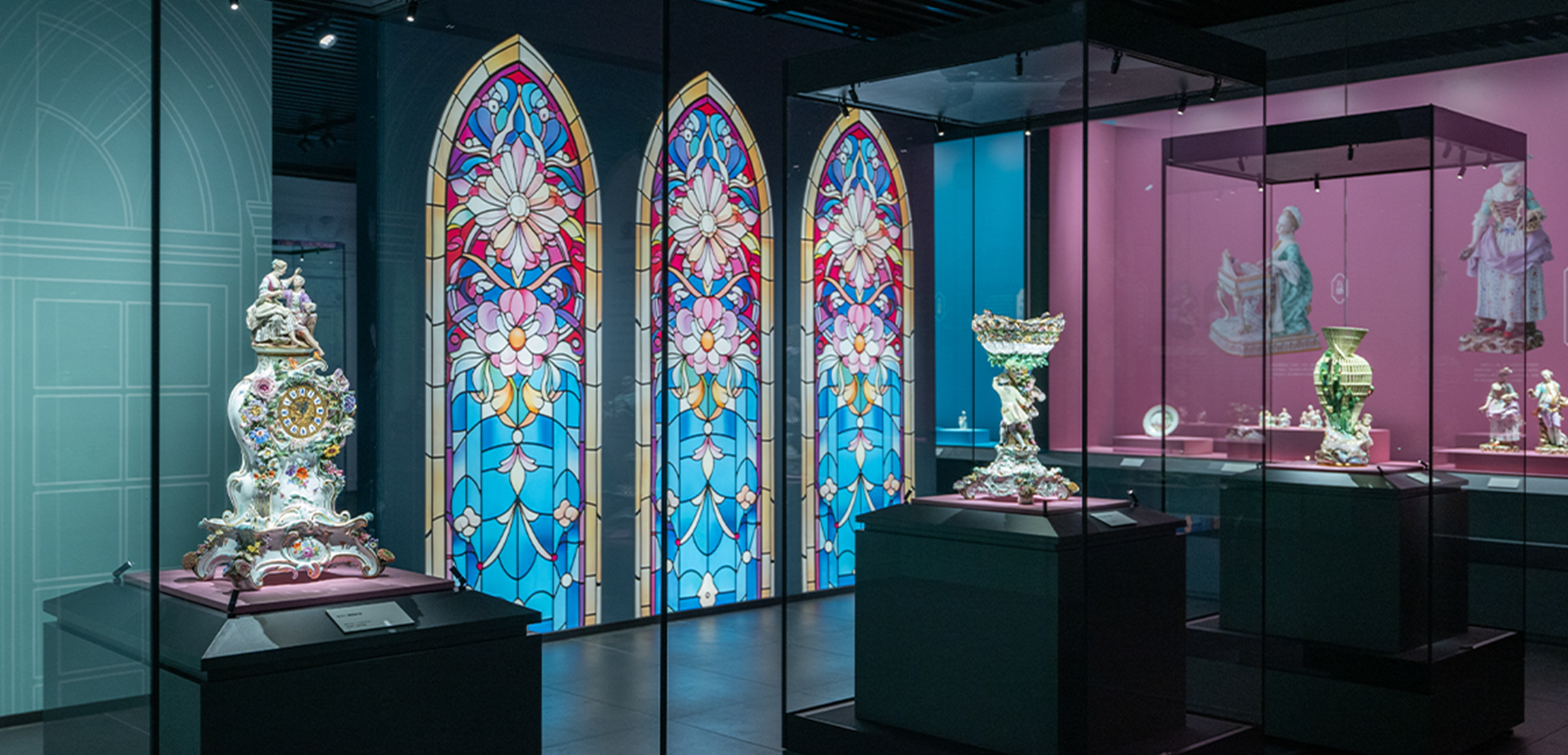
Equipment installation and commissioning: lighting concept becomes reality
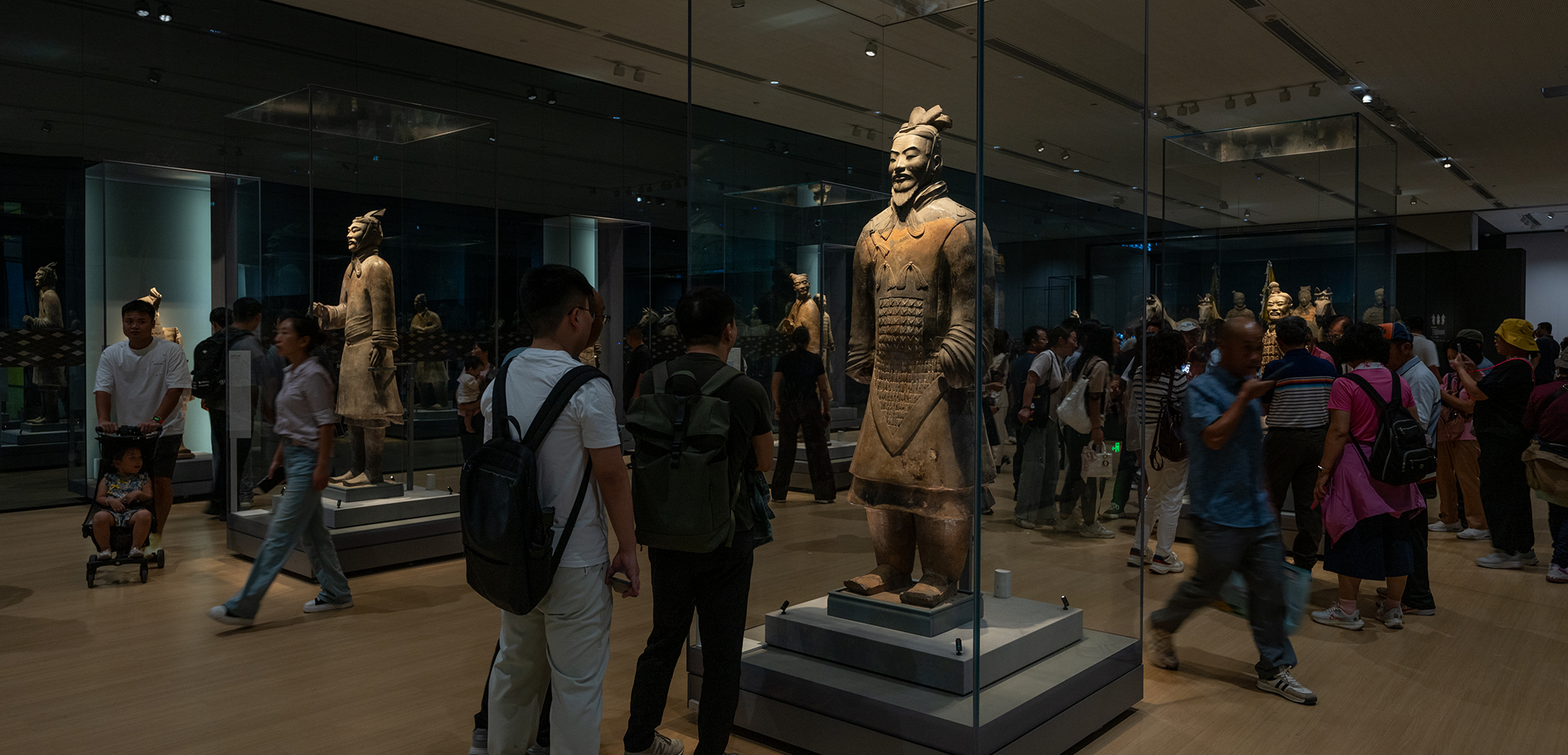
Project acceptance and maintenance: confirm lighting effects and guarantee services