Museum Lighting Solutions  |  Museum Lighting Design

"Five Ones" Principles for Museum Lighting Design

High-quality museum lighting is not only a protection for precious cultural relics in museums, but also a comprehensive artistic expression of the colors, forms, materials and stories of museum exhibits. As a systematic project, museum lighting needs to combine lighting technology, exhibition themes, artistic effects, etc. to achieve a comprehensive design.

In the ten years of museum lighting practice, AKZU combined the museum lighting design concept of "safety, revivification, comfort, energy saving and sustainable development, photography-friendly", sorted out and summarized the museum lighting design principles of "one game, one visual theme, one scene, one strategy, one object, one light, and one vein", providing valuable reference for more museum lighting research and practice.

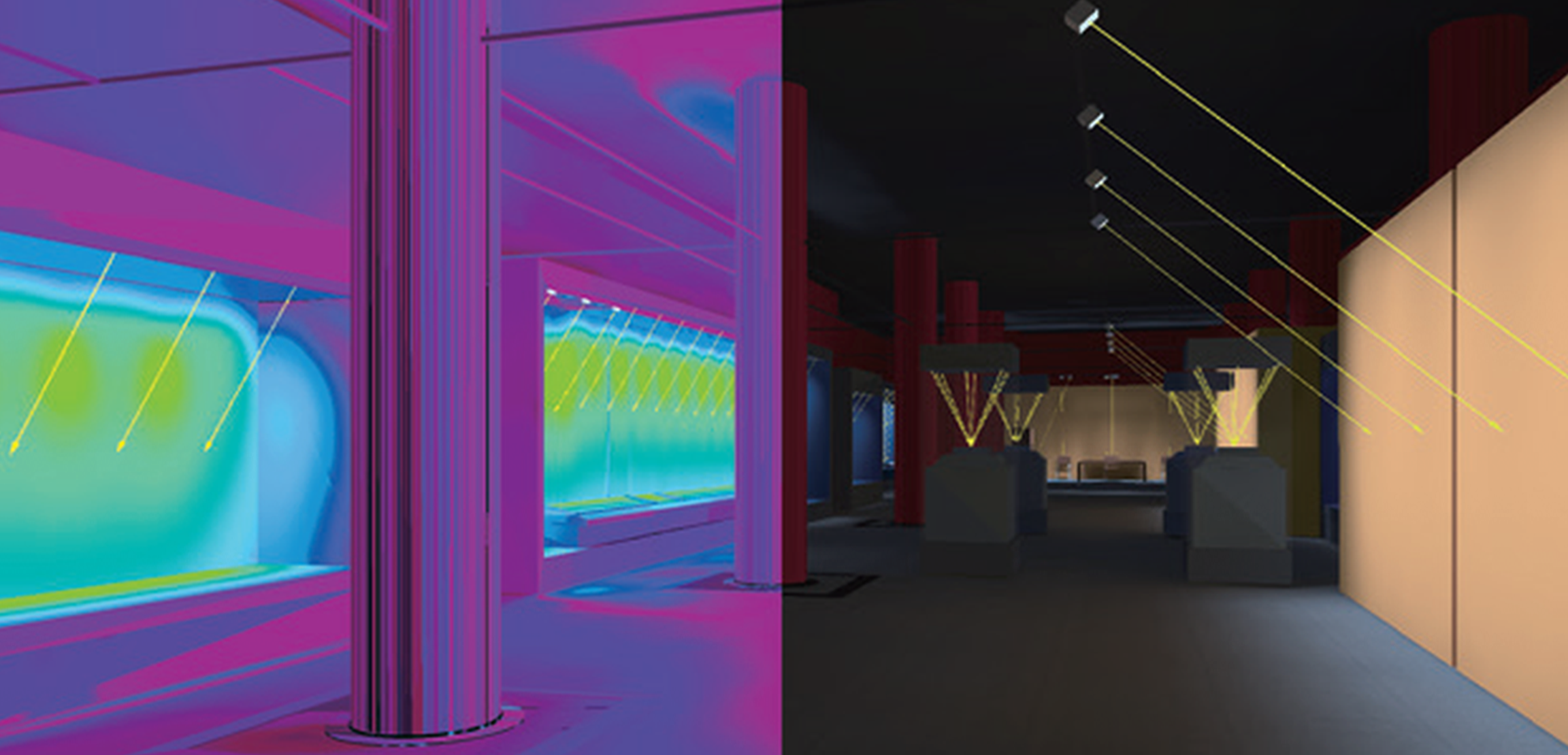
One as all

Lighting is an essential part of exhibition presentation and greatly influences the overall display effect. Lighting schemes and luminaire selection should be planned from the early design stage and coordinated with exhibition design throughout the project. Close collaboration among curators, designers, and engineers, together with on-site aiming and adjustment, is essential to achieve the ideal exhibition effect. Museum lighting is therefore the result of integrated planning and teamwork throughout the entire project process.

One Visual Theme

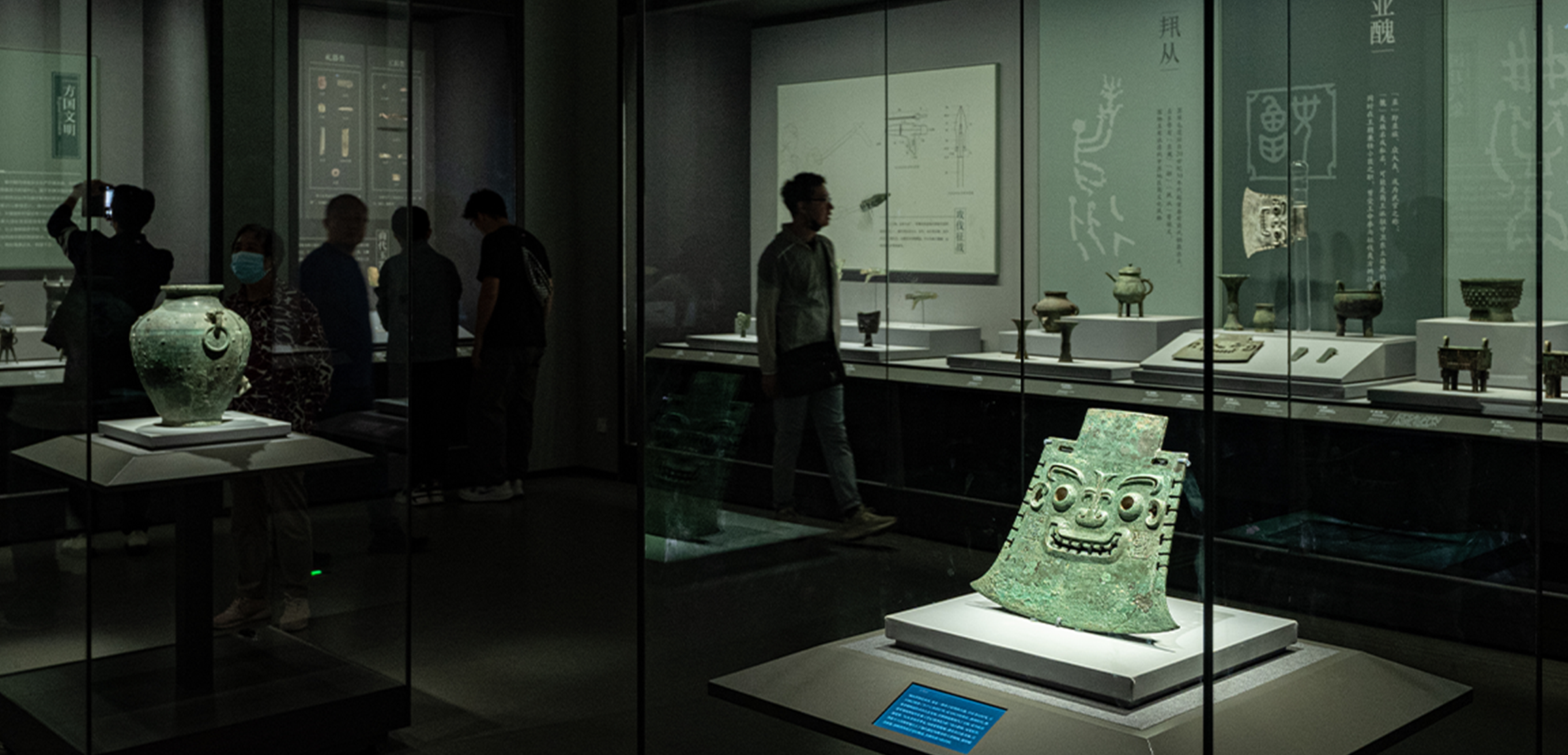
Museum exhibitions consist of multiple sections, and their lighting should be coordinated with each corresponding theme while maintaining a unified overall tone. Multi-layer lighting is used to balance near, mid, and far fields, creating clear light–dark contrast and guiding the visitor’s viewing experience and emotions. Through well-structured lighting rhythm and visual hierarchy, the exhibition presents a clear, orderly, and cohesive visual narrative.

One Strategy for Each Scene

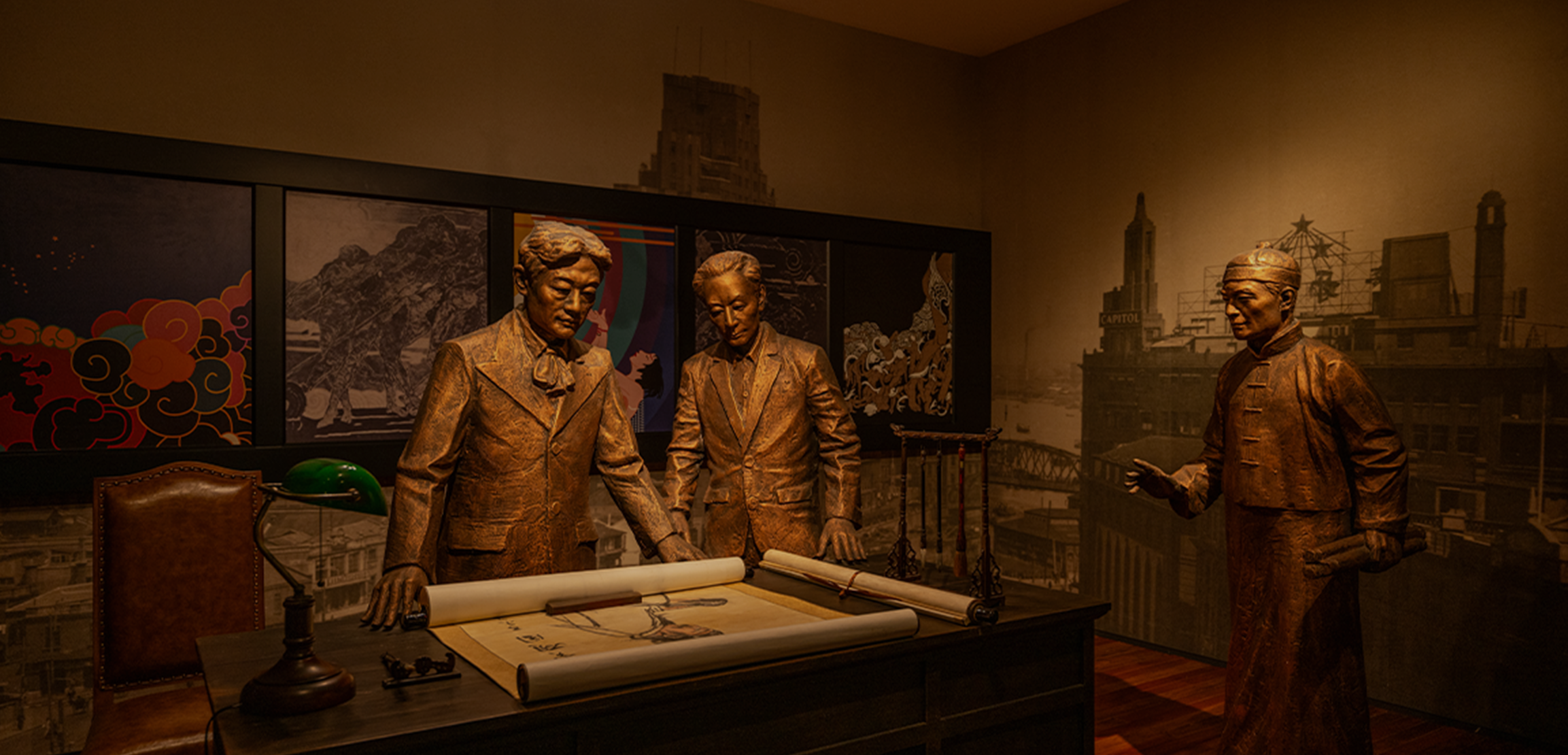
Exhibitions are often presented across multiple scenes. Lighting design should combine appropriate beam angles, power, color temperature, installation methods, and projection directions to recreate the intended atmosphere and support the exhibition theme. By coordinating lighting across different scenes and ensuring smooth transitions in brightness and ambiance, a flexible and well-balanced lighting system can enhance visitor comfort and create a more engaging exhibition experience.

One Light for Each Exhibit

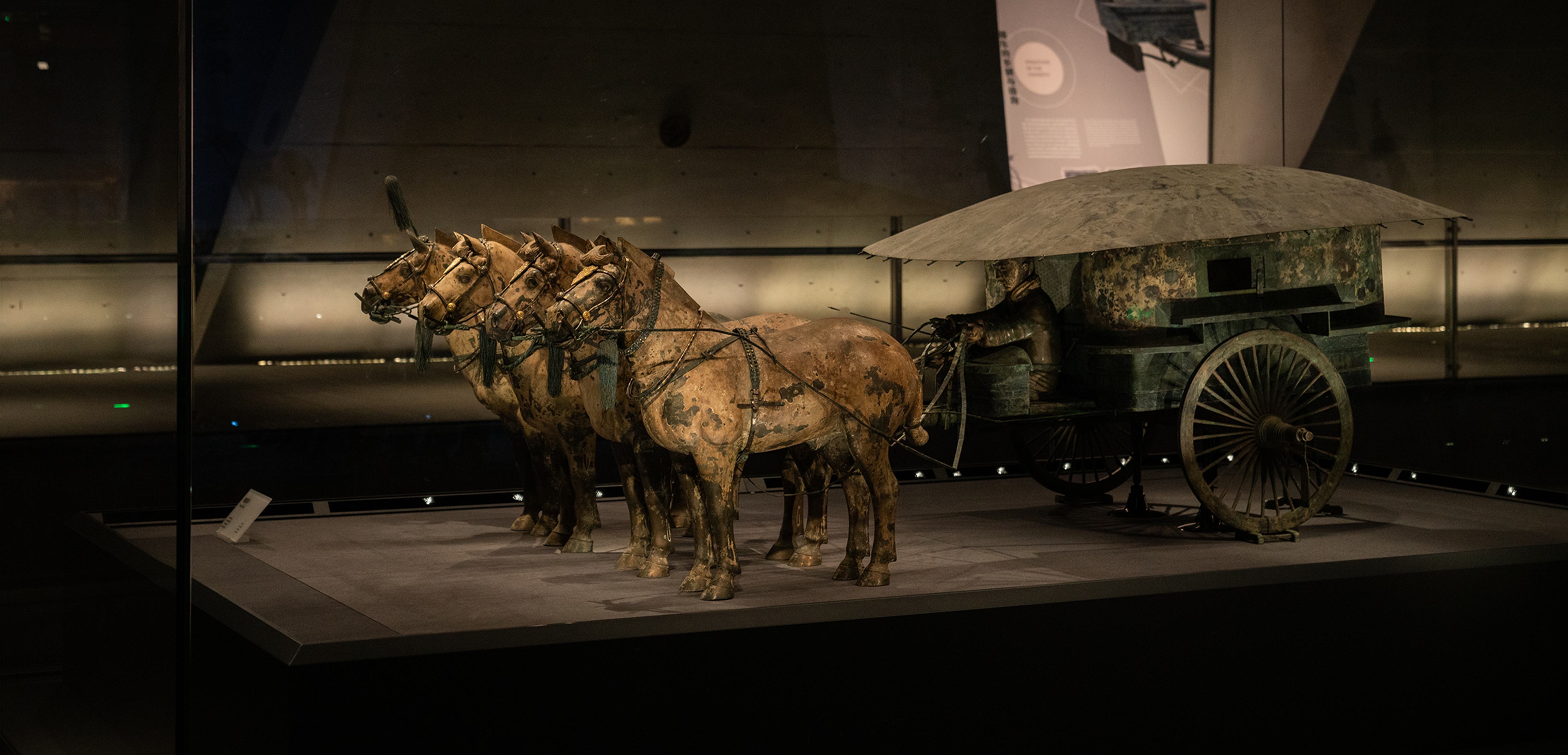
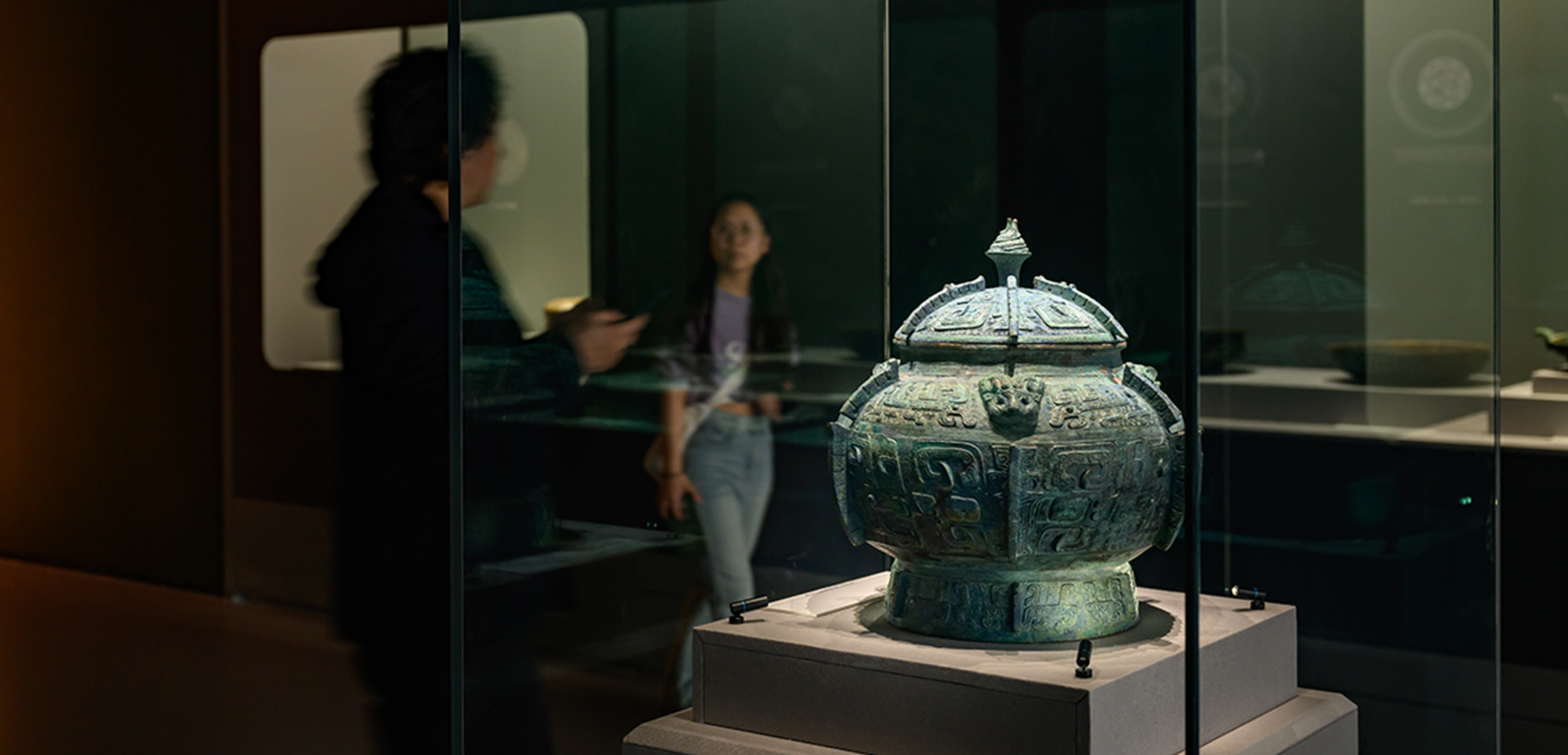
Cultural relics vary in form and display methods, including flat, three-dimensional, and showcase displays. Therefore, lighting should be individually designed based on the object’s characteristics, light sensitivity, and exhibition requirements, while ensuring proper conservation. For sculptures, multi-angle lighting is used to emphasize form and depth while avoiding excessive contrast and glare. Flat exhibits typically use a combination of key and background lighting to control contrast and highlight the object. In showcases, lighting should be arranged according to object size, layout, and installation conditions to fully reveal the value of the artifacts.

One Inherited Continuity

Each museum exhibition is built around a central theme that should be presented in a clear and consistent way. Lighting is a key element in guiding visitors’ attention and shaping the overall experience. Through carefully designed illumination, lighting helps highlight key exhibits, support the narrative, and reinforce the theme, allowing the exhibition’s story and spirit to be effectively communicated.