
Museum Lighting Solutions | New Concept of Museum Lighting Design
Exhibition lighting is the most important part of a museum, directly affecting the safety, display effect, and viewing experience of exhibits such as cultural relics, specimens, and artworks.
Museum lighting should pay attention to the three key points of "safety", "revivification", and "comfort", and flexibly use the quality, intensity, and distribution of light to inspire the audience to appreciate the exhibition content.
Museums play the role of protecting and displaying cultural and natural heritage, providing scientific research, conducting social education, and inspiring wisdom, and have become an indispensable part of people's spiritual and cultural life. On the one hand, how to provide audiences with rich exhibitions and create a good visual light environment, on the other hand, how to increase the protection of museum exhibits and minimize the damage of light radiation to cultural relics has become an important issue facing museum lighting design and museum lighting design.
In museum lighting design, we should adhere to the lighting design concepts of "safety", "revivification" and "comfort", apply more modern optical, electronic and intelligent technologies, and create a visual lighting effect that is full of life, full of vitality, realistic and overall optimized on the basis of better protecting cultural relics, so as to present and revivify the historical and cultural heritage and artistic attainments of cultural relics and exhibits, and provide viewers with a comfortable light quality experience environment.
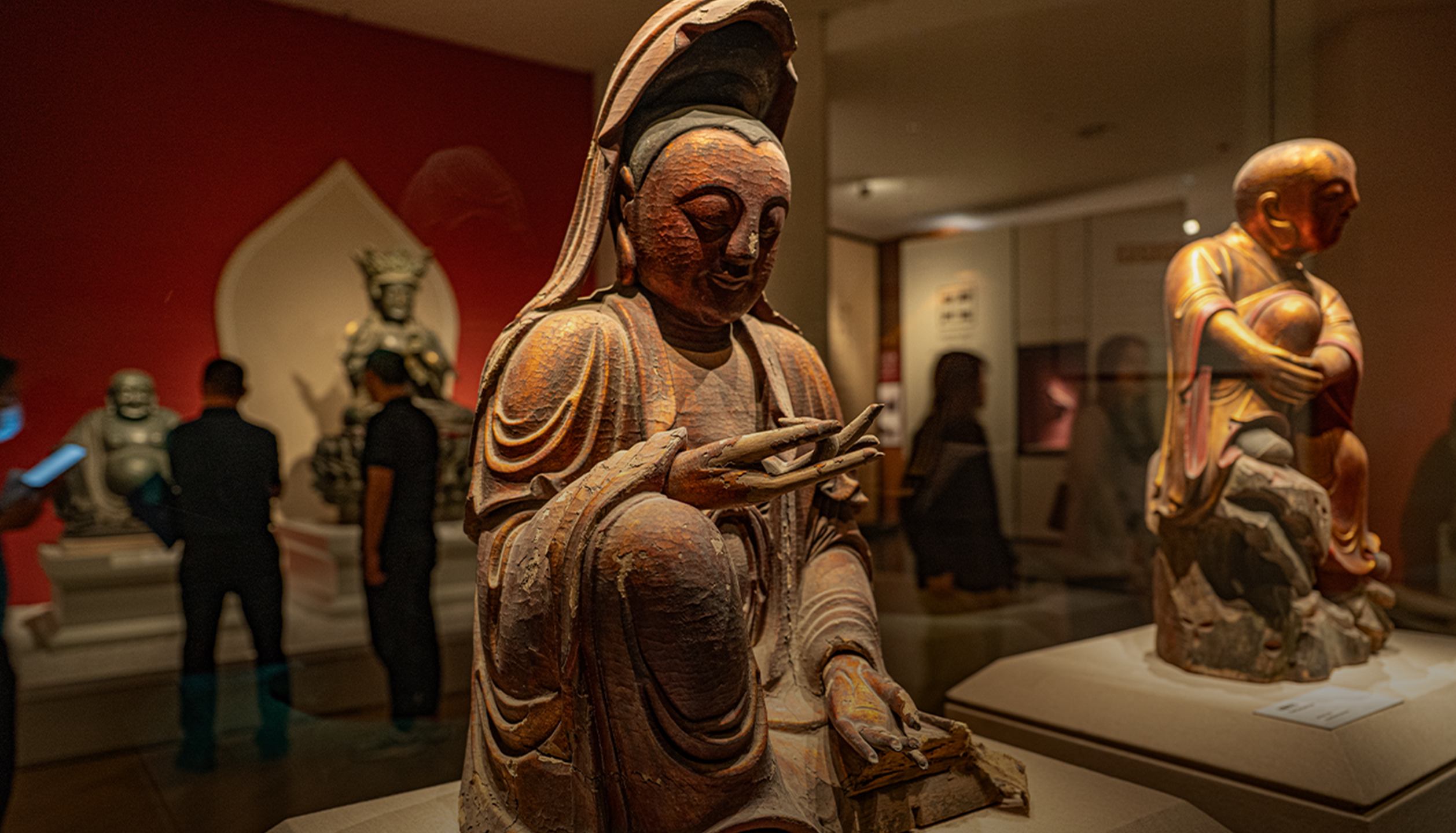
"Safety" is the basis premise of museum
exhibition lighting design.
Exhibits are the core of all behaviors of the museum. All process centers around the precious exhibits.
How to secure a unique rare and precious exhibit becomes the primary task of the museum lighting designer. In the museum lighting design, lighting technology must prioritize the contradiction between safe protection and better revivification on the exhibits.
There are 3 points about lighting safety in museum lighting design. The first is the mechanical safety. There should be no risk of falling during the installation and disassembly. The second is the electrical safety. Luminaires are electric carriers, electrical safety standards must be obeyed. The third is the light safety, ray radiation, illumination level, light exposure are harmful to the exhibits.
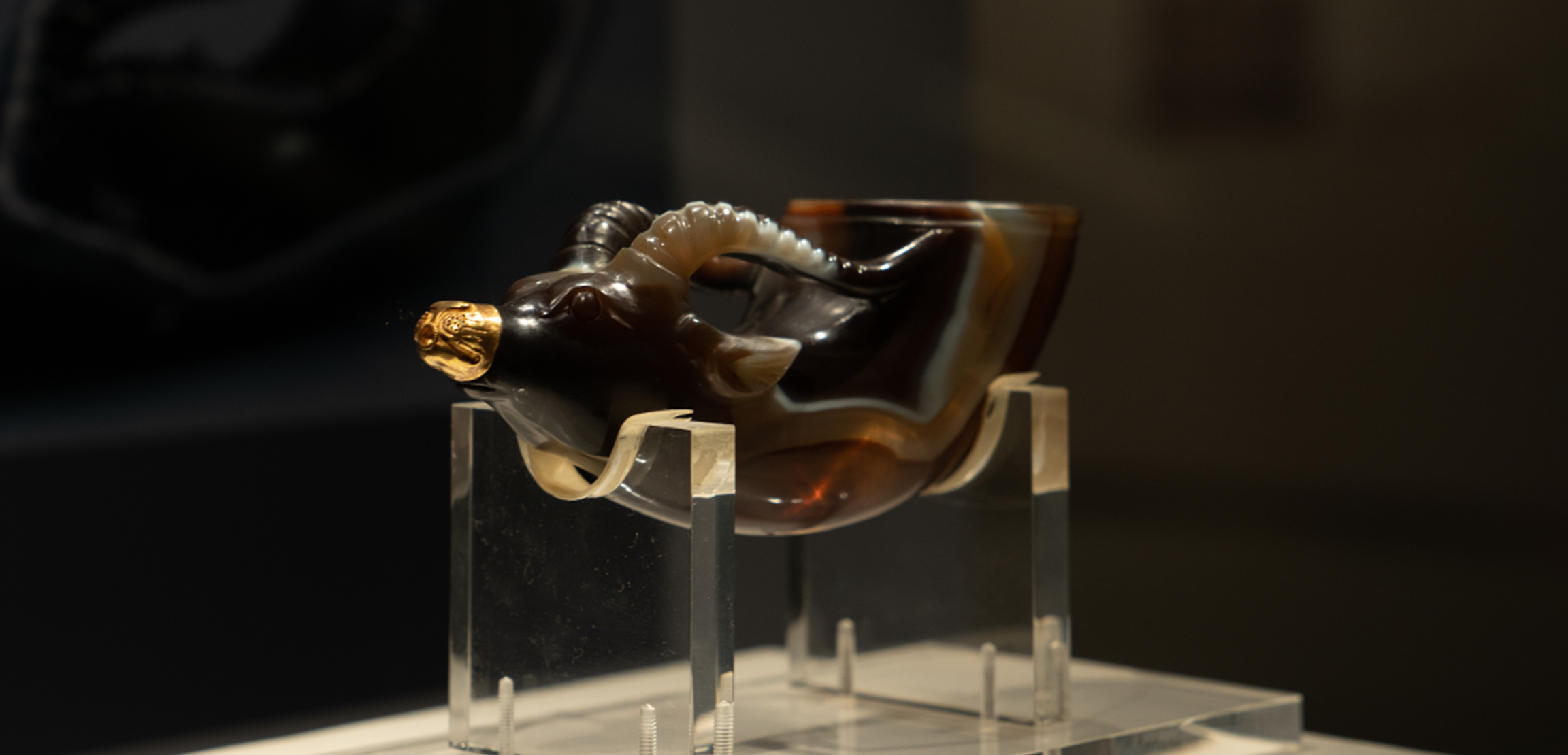
How to secure a unique rare and precious exhibit becomes the primary task of the museum exhibition. In the museum lighting design, lighting technology must prioritize the contradiction between safe protection and better revivification on the exhibits; at the same time, create a comfortable visual environment.
The infrared radiation makes the temperature rise on the exhibit's surface, accelerates the thermal expansion and contracting, the aging, increases drying degree, makes the material fragile, which may lead to the occurrence of warping and cracking on the surface of exhibits. The museum lighting designer must avoid infrared radiation to protect the exhibits.
The existence of the ultraviolet ray causes the chemical effect on the exhibits' surface, like aging, fading, color changing, qualitative changing, etc., and these damages are not recoverable through protection measures. According to IESNA96, for museum lighting design, the recommended maximum UV content in lamp is 75μW/lm; and CIE2003 recommends 10μ W/lm.
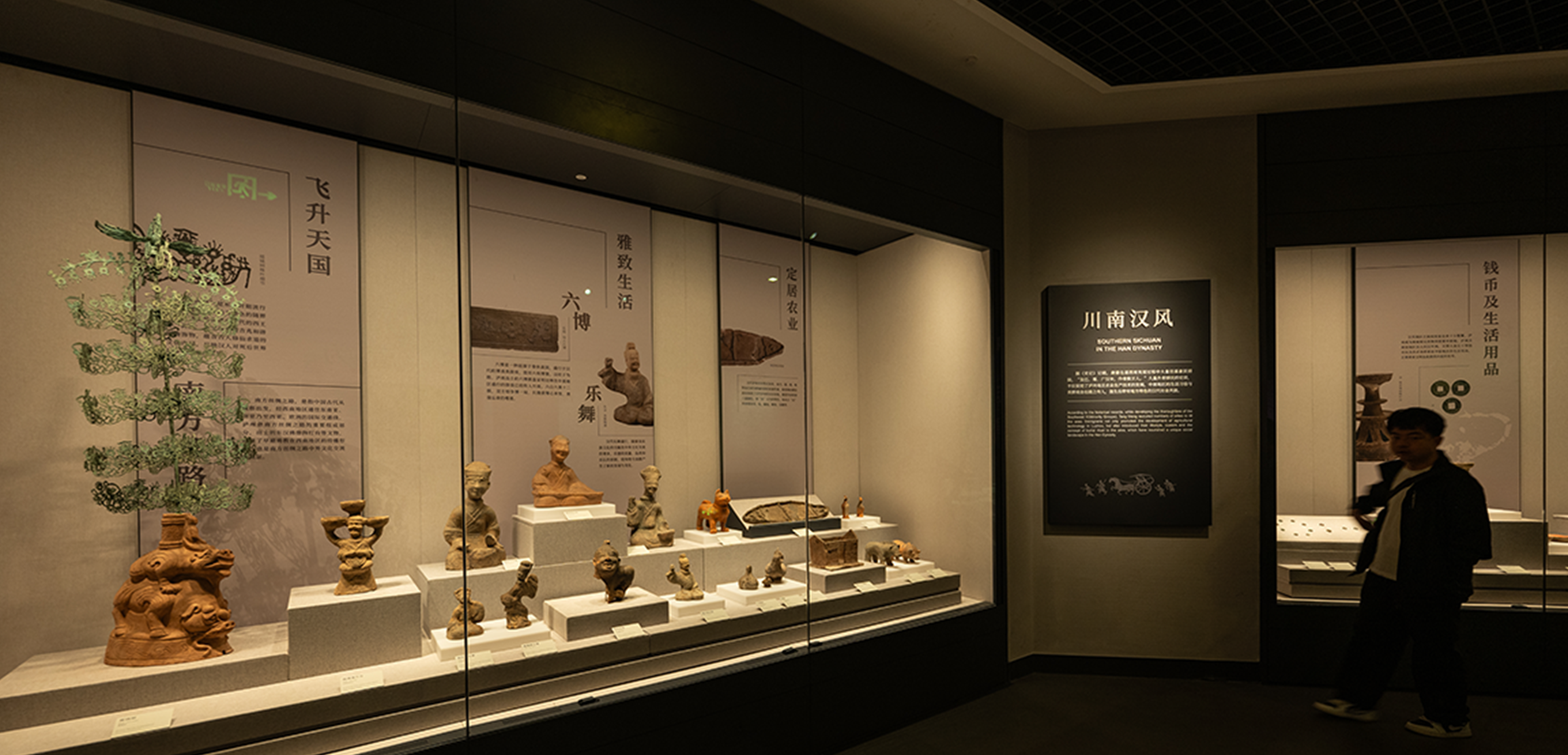
For the safety of the exhibits, museum lighting design should pay attention to the possible damage from the light radiation, control strictly also on the illuminance on exhibits. The
application of precise and convenient dimming control devise perfectly solves the problem of different illuminance for different exhibits. We should limit the annual light exposure on exhibits. Supposing the illuminance level for exhibit is 200lx, and 6 hours weekly lighting time, the annual exposure is 600000lx*h. The application of DALI intelligent system effectively controls the lighting time of luminaires and makes it more flexible to change the scenes.
Ultraviolet and infrared radiation would accelerate the aging and damage of the cultural relics. AKZU adopts the museum grade LEDs to minimize light damage to light-sensitive exhibits with optimal lighting efficiency, providing superior and safe lighting solutions for museums.
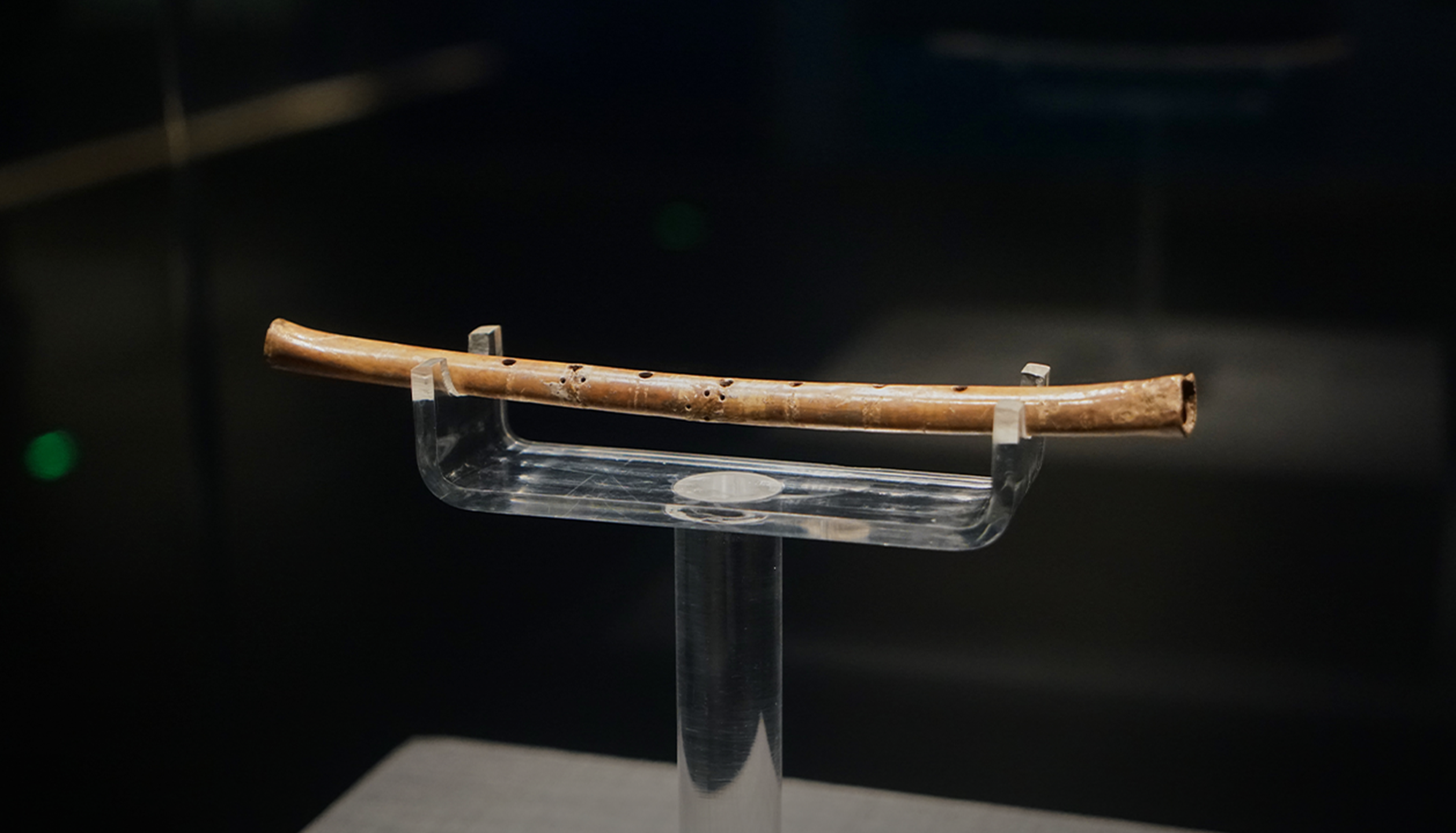
"Revivification" creates extra value
of precious heritage and art
In museum displays, exhibits are important cultural relics for studying ancient and modern civilizations. The colors, craftsmanship and details of each exhibit are of inestimable value. However, due to the different revivification quality of artificial lighting, the appearance and color of the cultural relics reflected in the audience's eyes may be color-shifted, ambiguous, dim, etc., which may be greatly distorted compared to the original.
Therefore, as an organic part of the museum scene, lighting should be able to truly revivify the color, details, layers, contrast and sharpness of the exhibits, so as to truly revivify the ancient and modern culture and history.
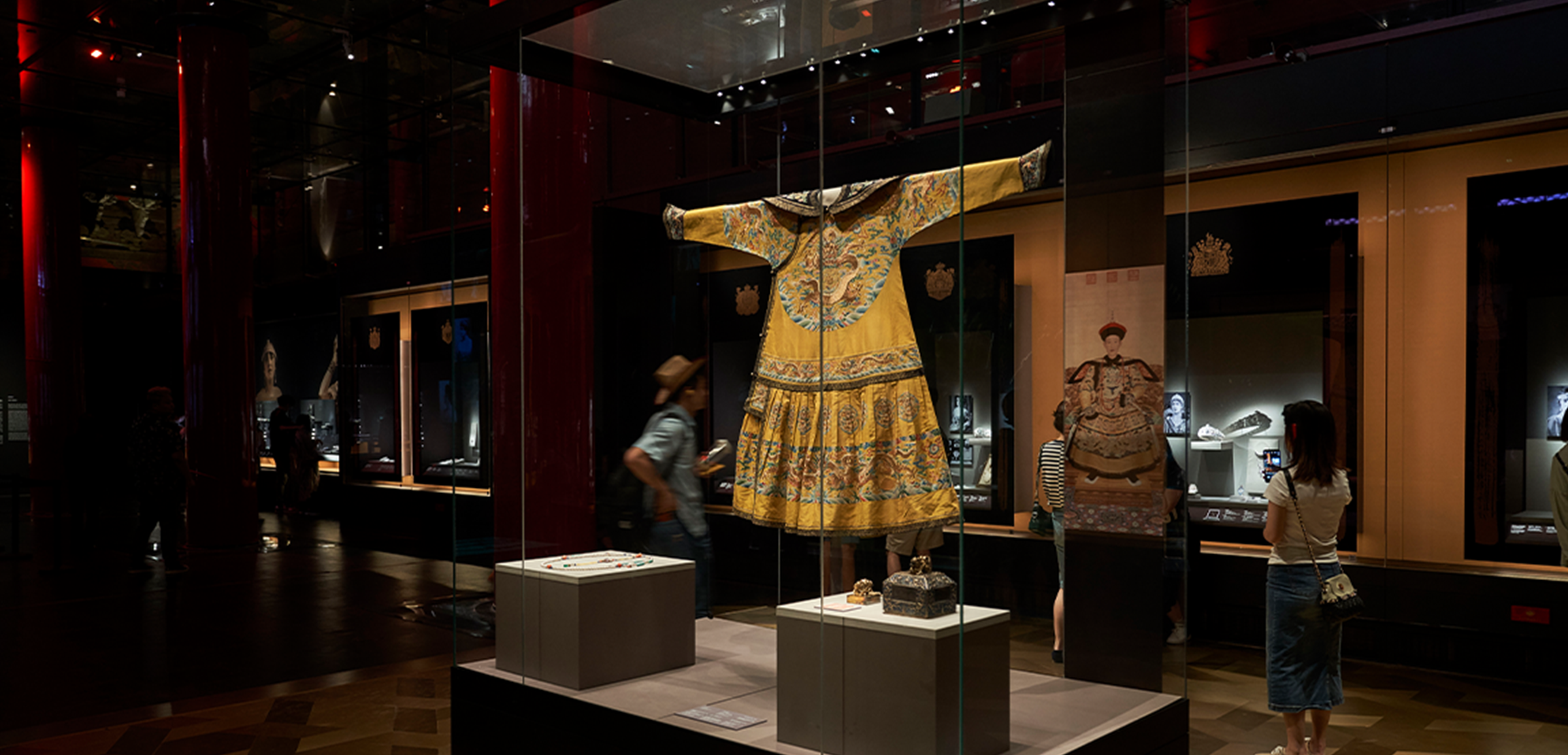
Museum lights with high color rendering index can truly present the appearance of historical relics, color and civilization. In the places, like museums, which have strict requirement on the color differentiation when presenting paintings, colored fabric, multicolor exhibits, etc., light source with color rendering index (Ra) not less than 90 should be adopted.
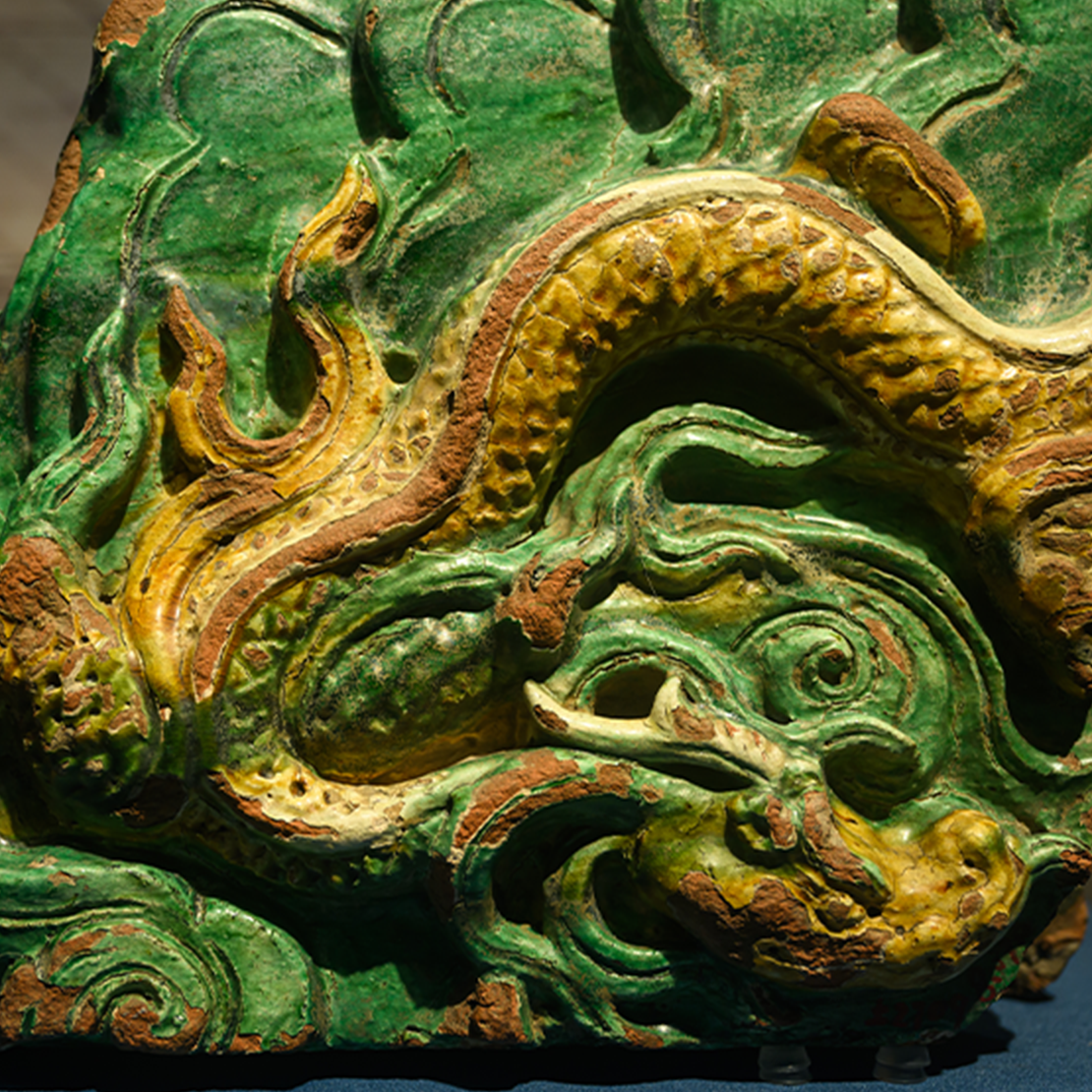
For museum lighting, lights with CRI (Ra) ≥90 are recommended for exhibits such as paintings and colorful fabrics, while Ra ≥80 is suitable for areas with normal color rendering requirements. The color rendering performance of the light source directly affects the visual presentation of exhibits. Professional museum LEDs can now achieve lighting effects comparable to metal halide lamps.
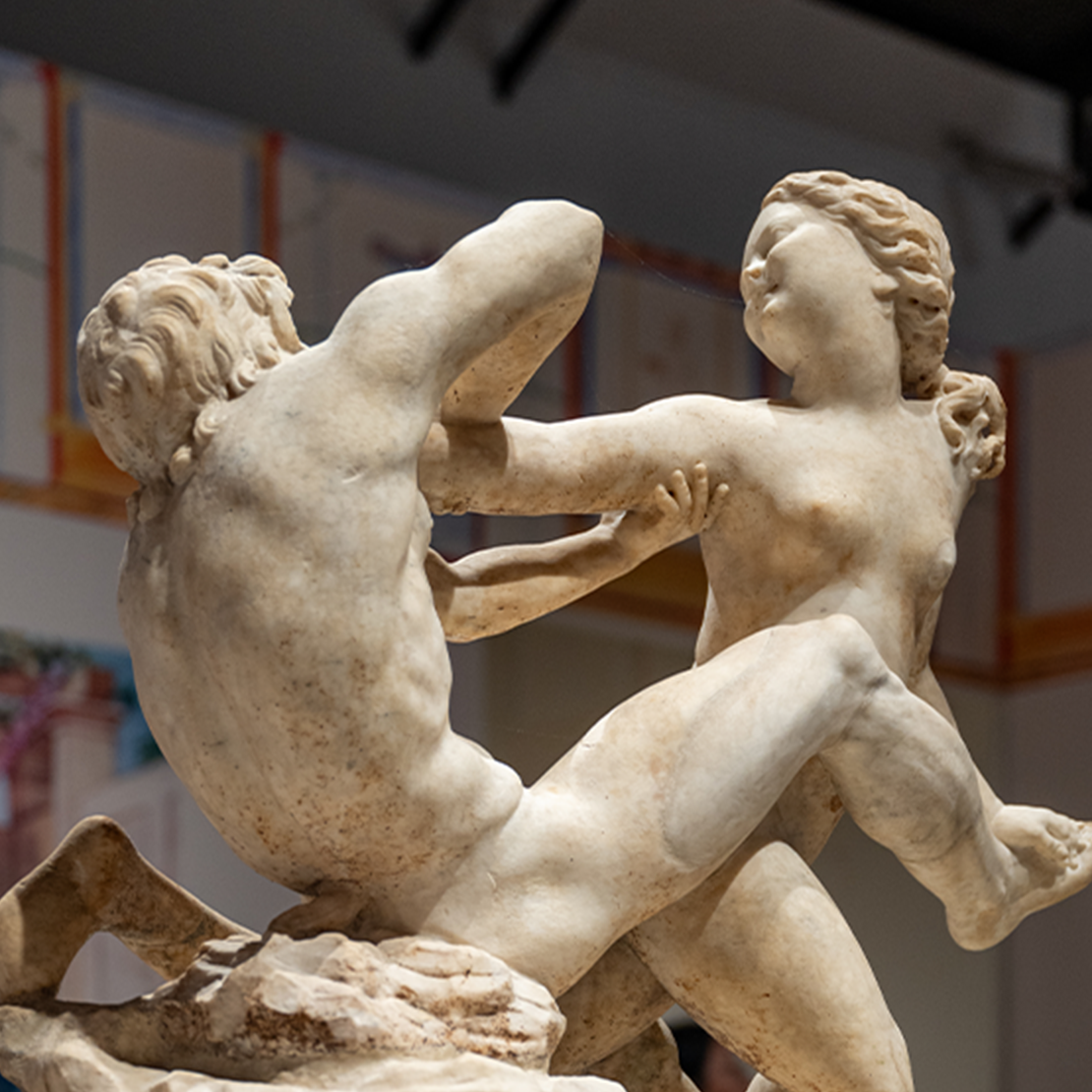
Museum lighting design usually combines general lighting with accent lighting. For three-dimensional exhibits, directional, diffuse, or reflective lighting is used to enhance details, create shadows, and emphasize depth and texture. Through contrasts of brightness, light and shadow, exhibition lighting brings cultural relics to life and strengthens their artistic expression.
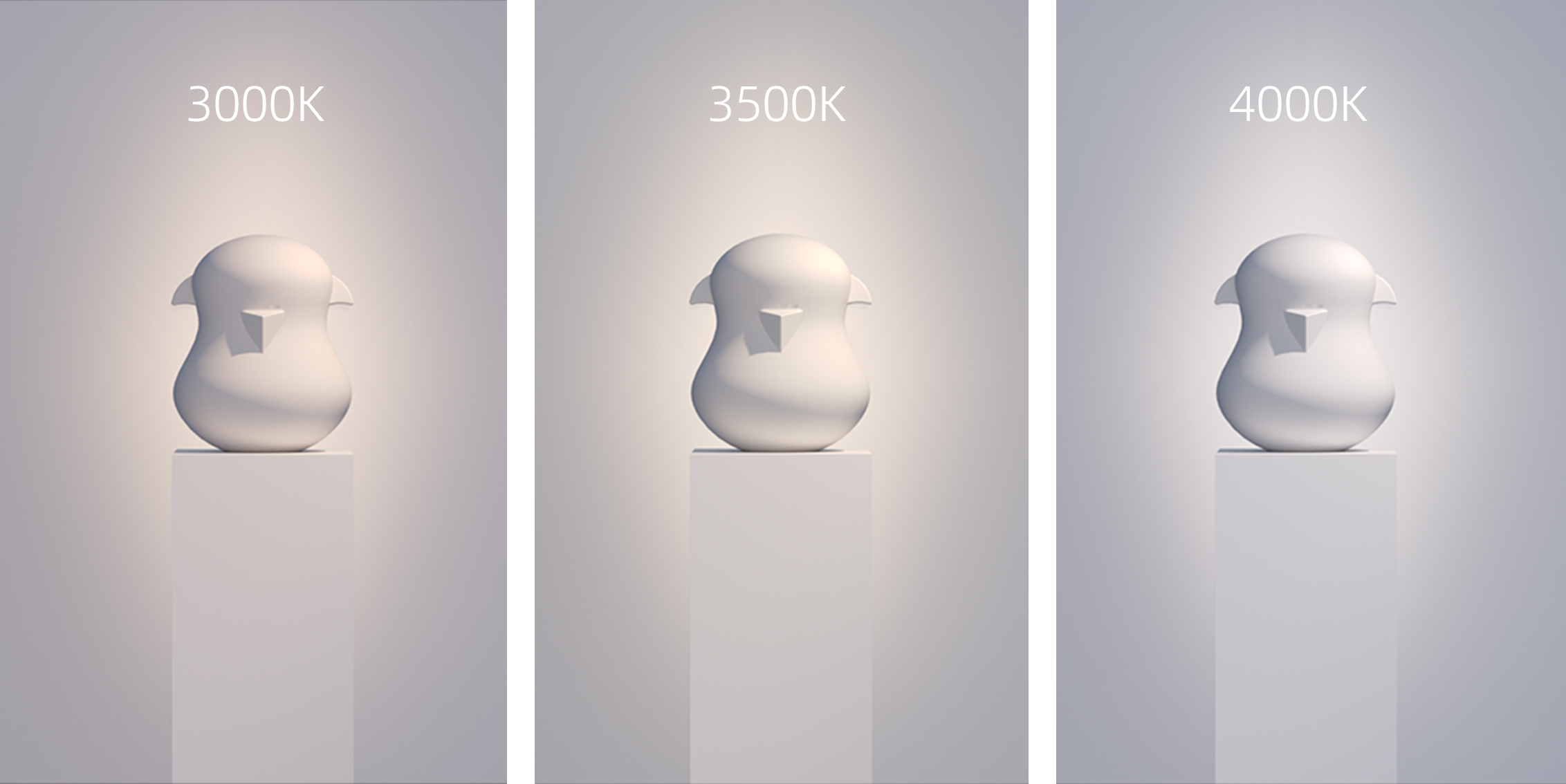
In museum lighting design, it is important for portraying the scene, atmosphere, the color and material quality of the exhibits. Generally color temperature of less than 3300k is recommended, at the same time, it is necessary to keep the uniformity of color temperature in the whole space.
With the rapid development of LED technology, LED now has better control on the color difference compared with metal halide lamp and halogen lamp.
"Comfort" is the in-depth requirement
of museum display design
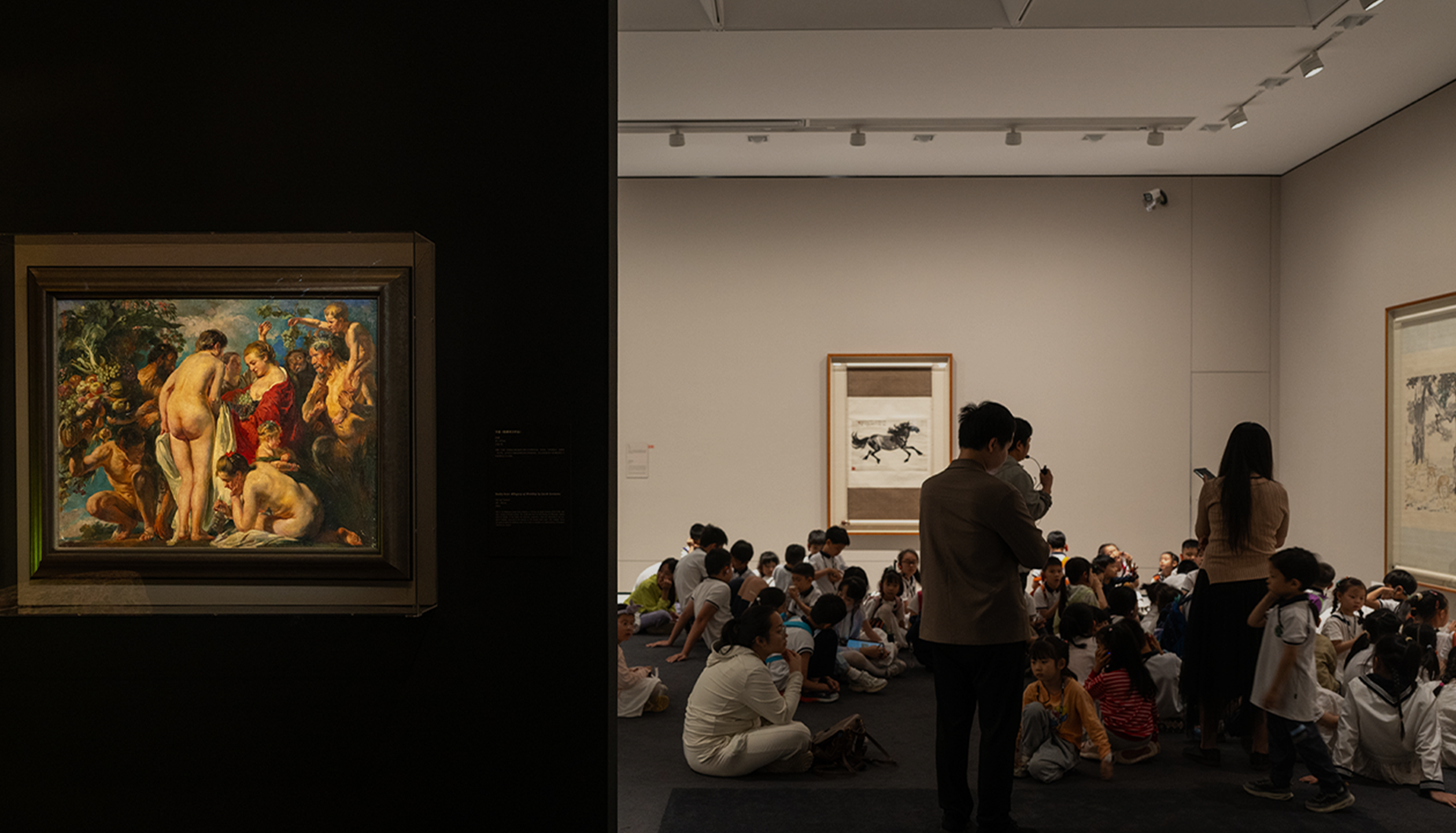
The museum has gradually become a common place where people carry out social education and leisure entertainment. Museum architectural lighting design needs to create a comfortable visual lighting environment.
Museum lighting design should avoid dazzling light. It is required also to pay attention to the brightness contrast, light uniformity, etc., and find the most comfortable point of vision from the light and shade, and the luminance balance.
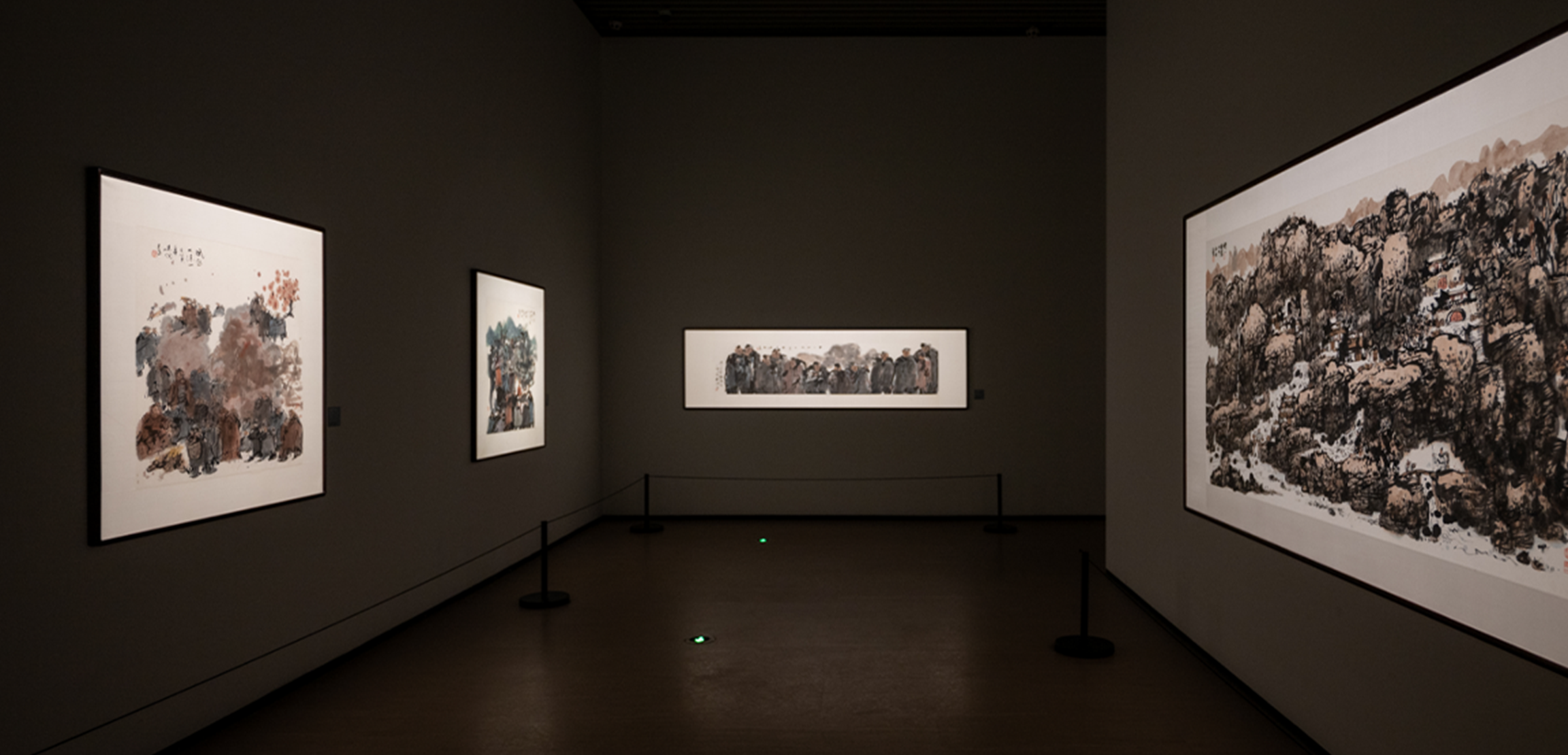
The lamps with simple design and functional emphasis give you a more convenient and quick installation experience while giving full play to the lighting performance. When the museum is re-exhibiting or upgrading, AKZU's simple, fast and flexibly customizable lamp installation method makes the exhibition more flexible and cost-saving.
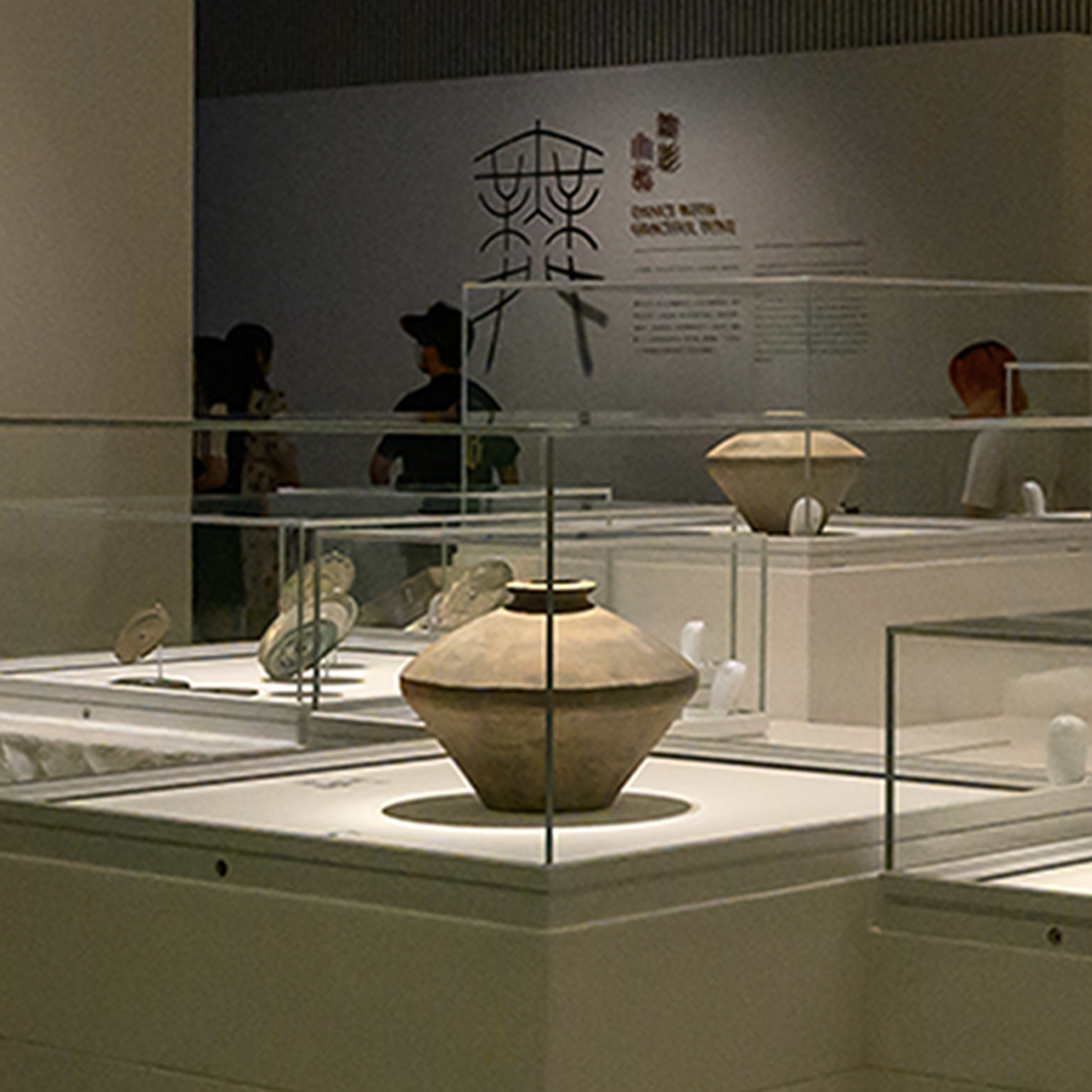
When viewing exhibits, reflected glare from lights, windows, or other surfaces should be avoided. By properly adjusting the luminaire layout, glare interference can be minimized. AKZU M6, AKZU M5, AKZU M4, and AKZU M3 track lights feature flexible track systems and accessories, allowing precise positioning for glare-free museum lighting.
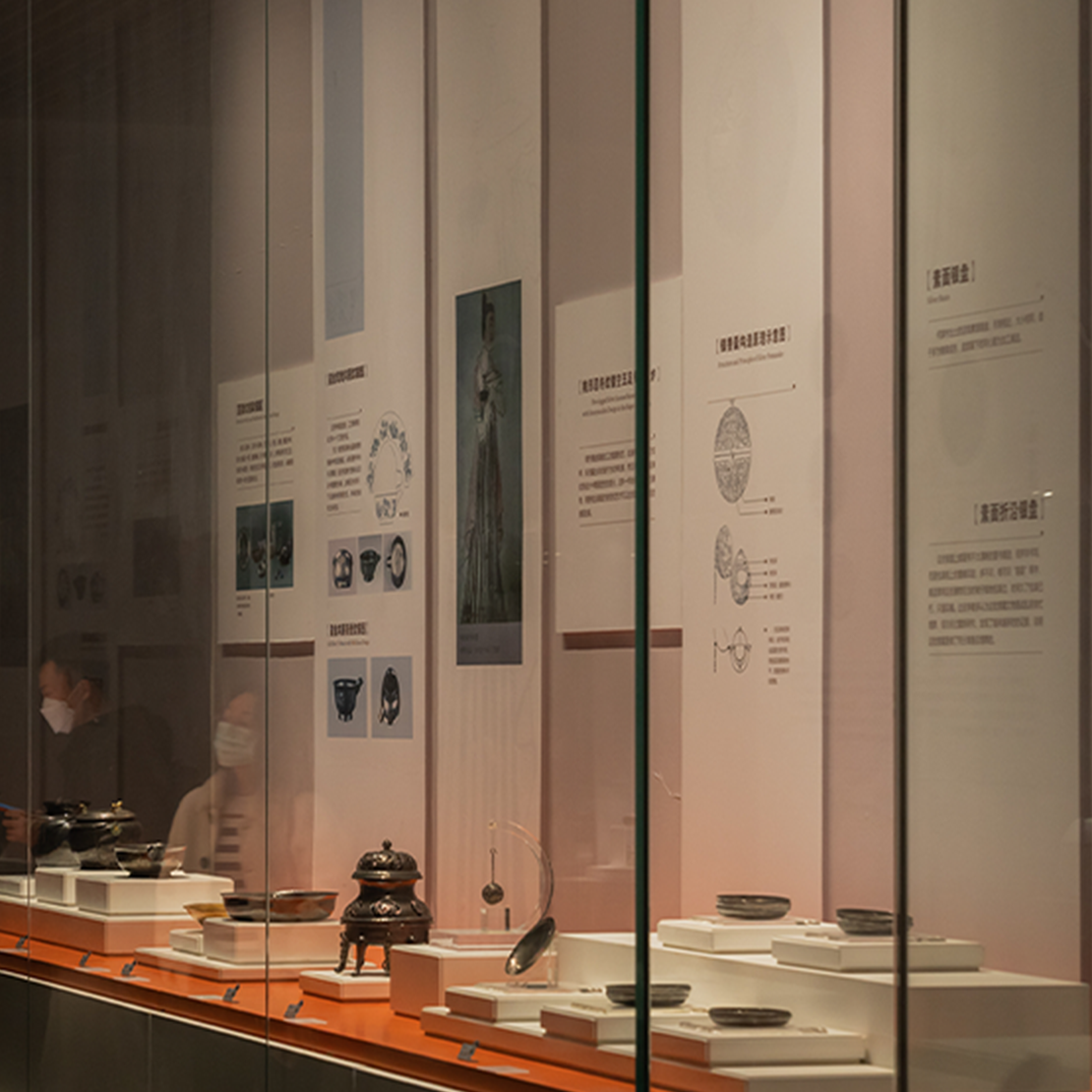
Reflections on glossy surfaces such as display case glass or picture frames should not interfere with the viewing of exhibits. For low-height display cases, lights can be installed outside the cabinets, preferably directly above the display case and outside the visible reflection area to minimize glare. Narrow beam track lights, such as the Tracron M6 with 6° or 16° beam angles, are recommended for precise illumination.
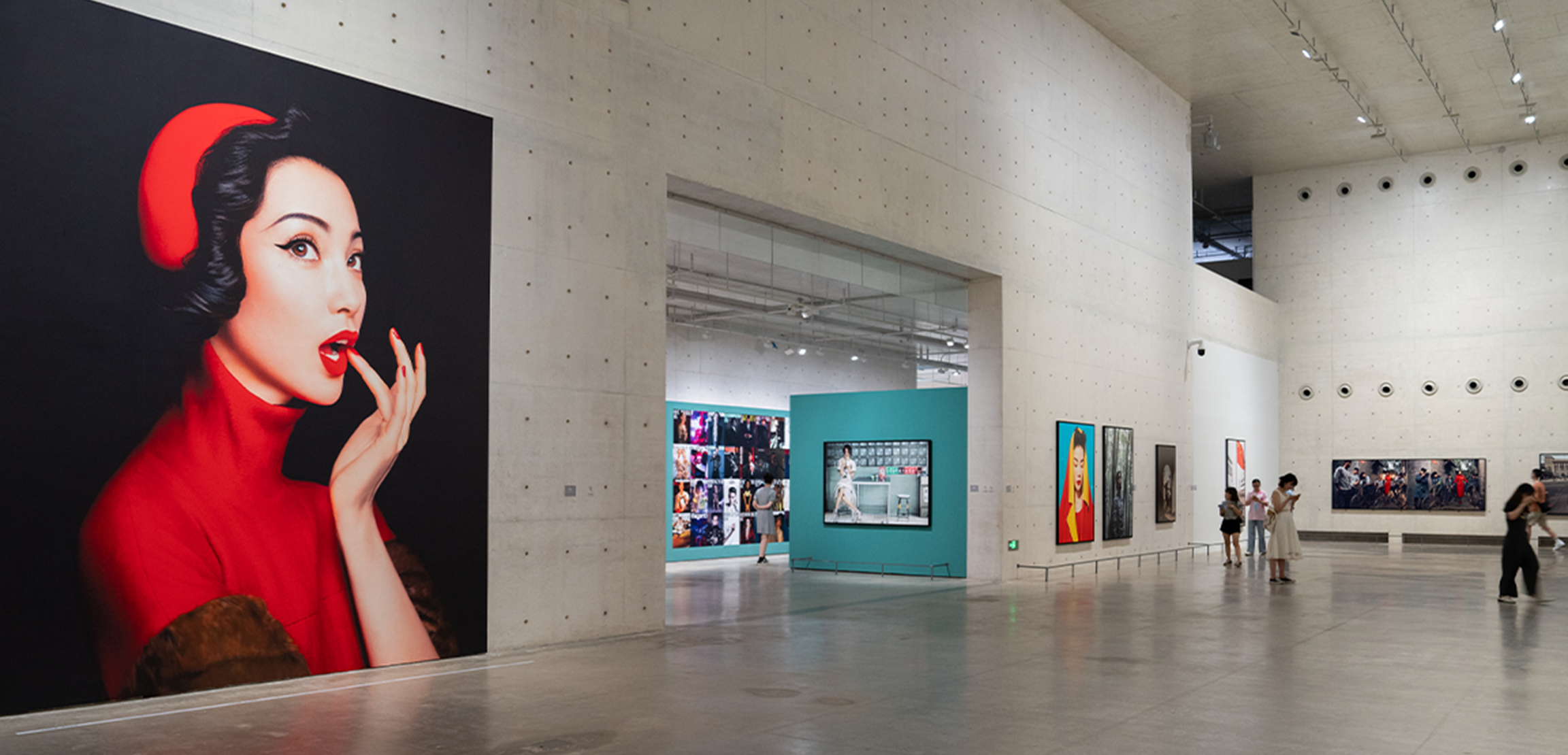
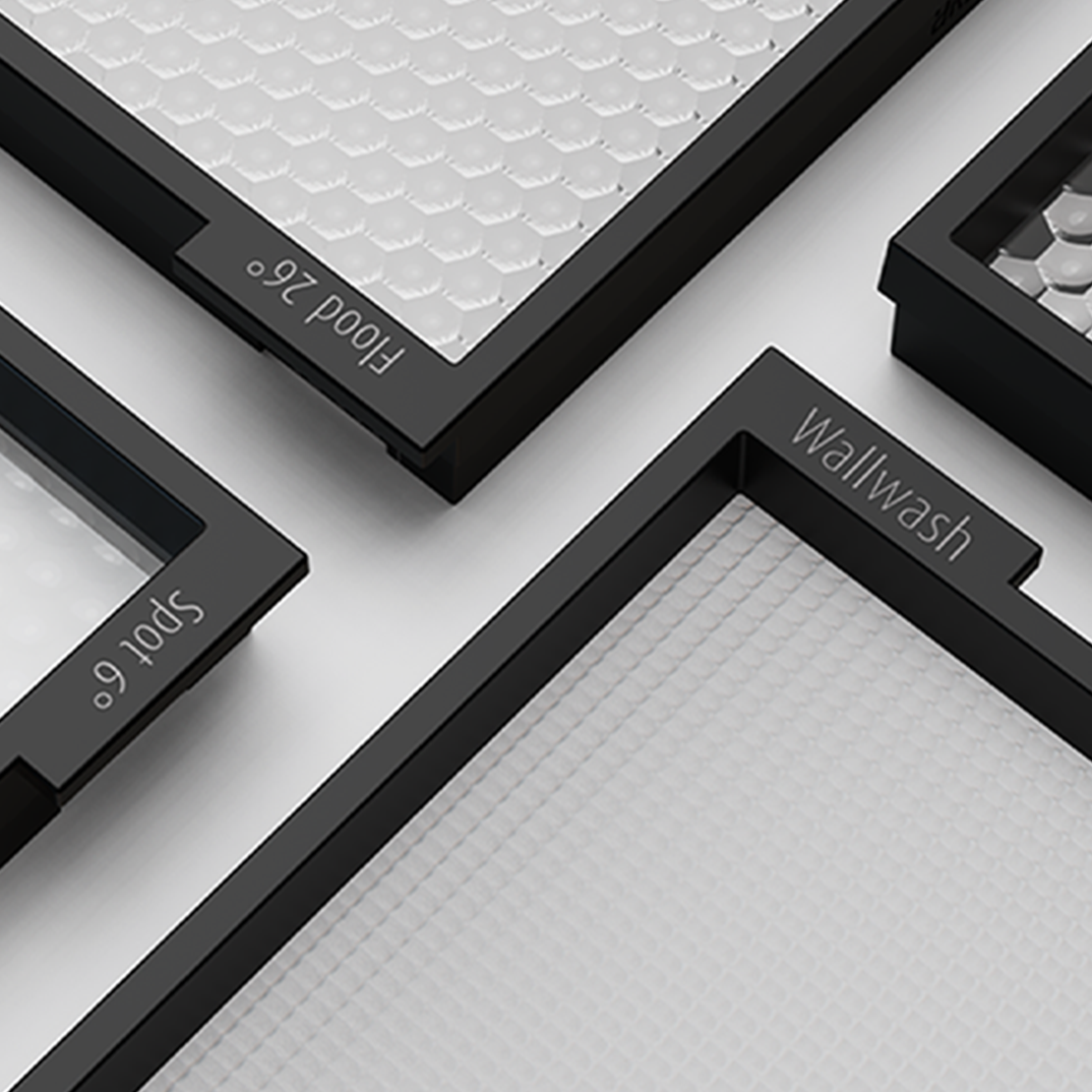
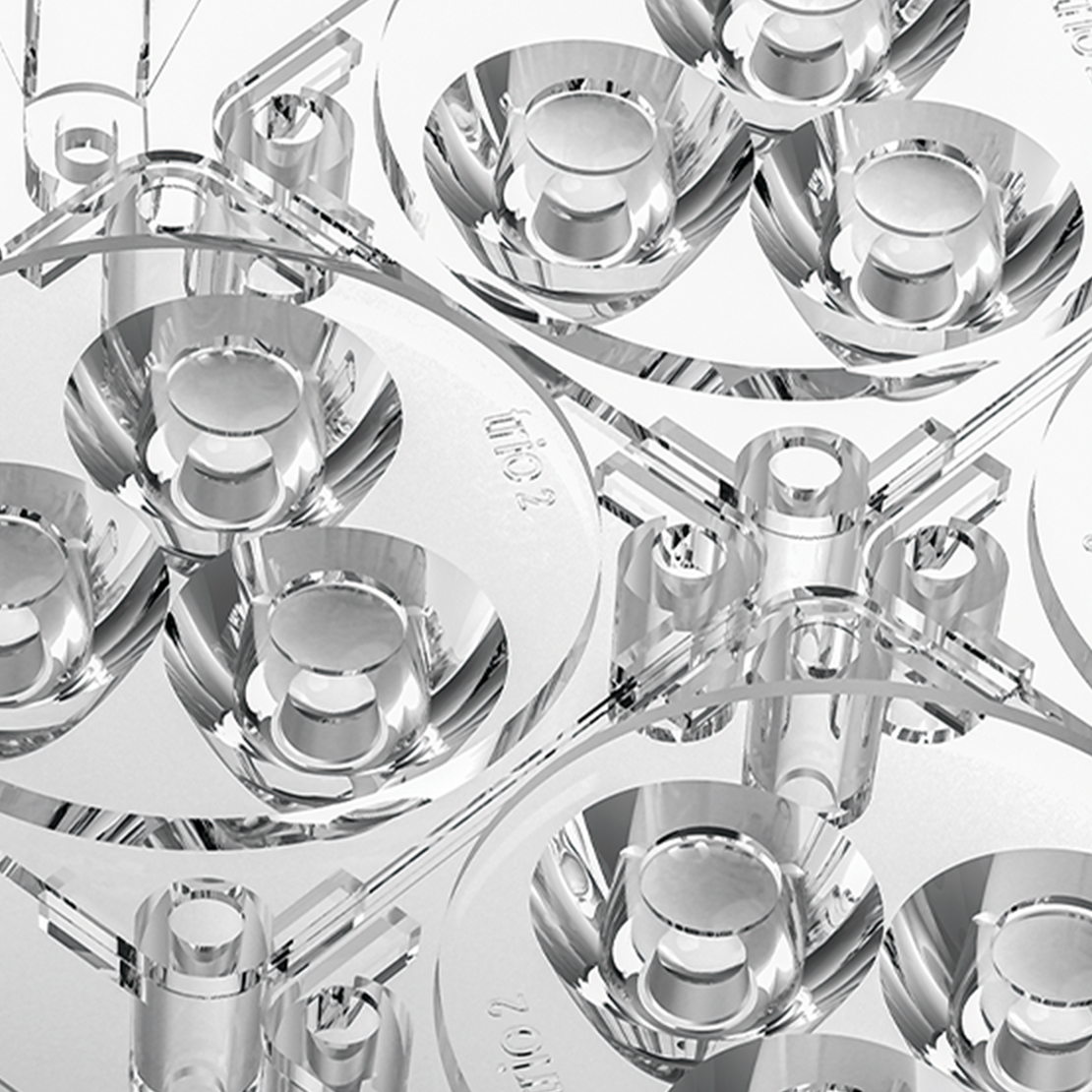
For planar exhibits in museum design, the ratio of the minimum illuminance to the average illuminance should not be less than 0.8; while for taller than 1.4m planar exhibits, the ratio should not be less than 0.4. AKZU Tracron M6 and M5 track lights for museum lighting have special designed Triod optical system, minimize the stray light, largely avoid the glare and make the light more soft.
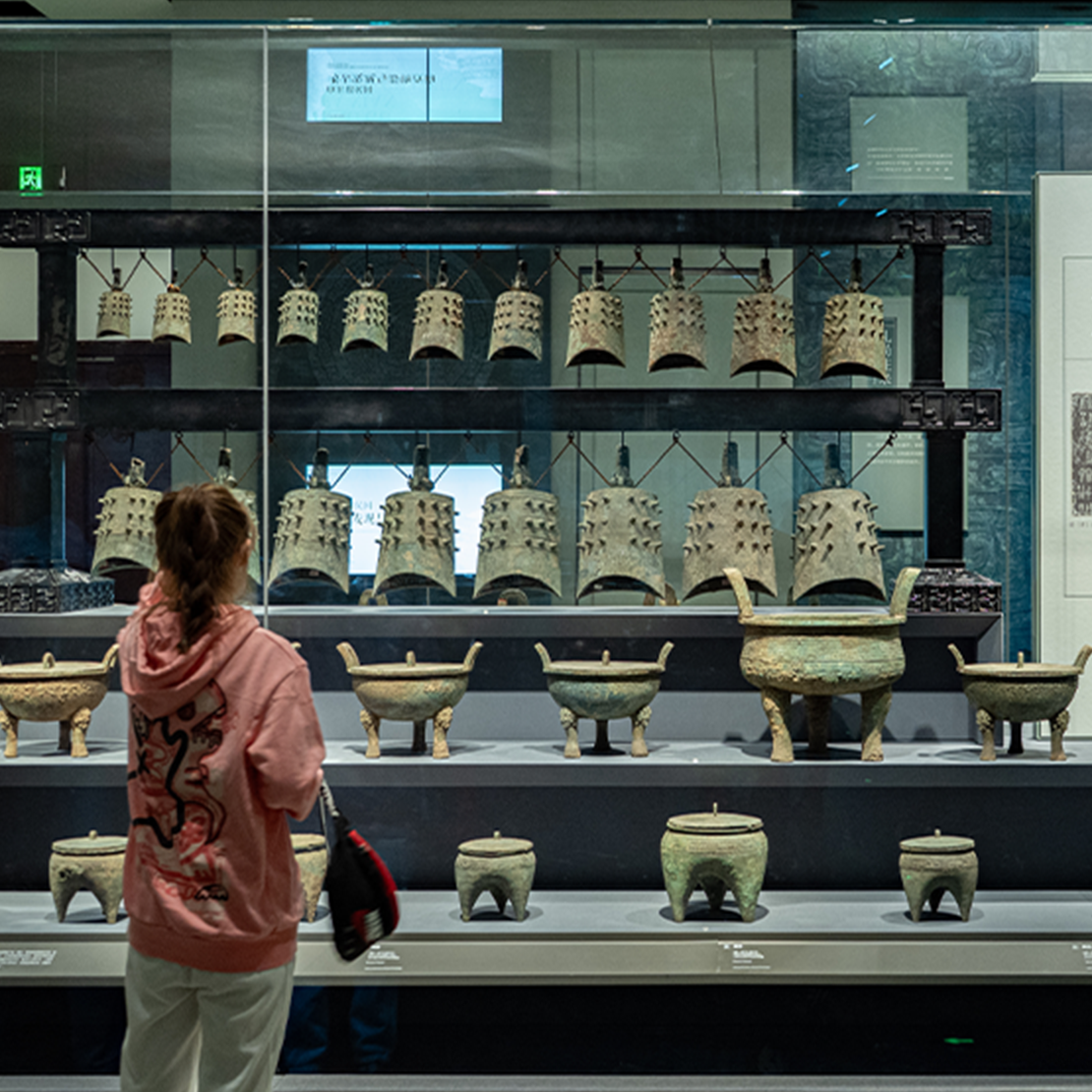
In museum lighting design, the brightness ratio between exhibits and background should generally not exceed 3:1 to avoid glare and visual discomfort. For light-sensitive exhibits displayed under low illuminance, visual adaptation should also be considered. AKZU museum track lights feature smooth beam transitions, creating more natural brightness contrast between exhibits and background for comfortable viewing.
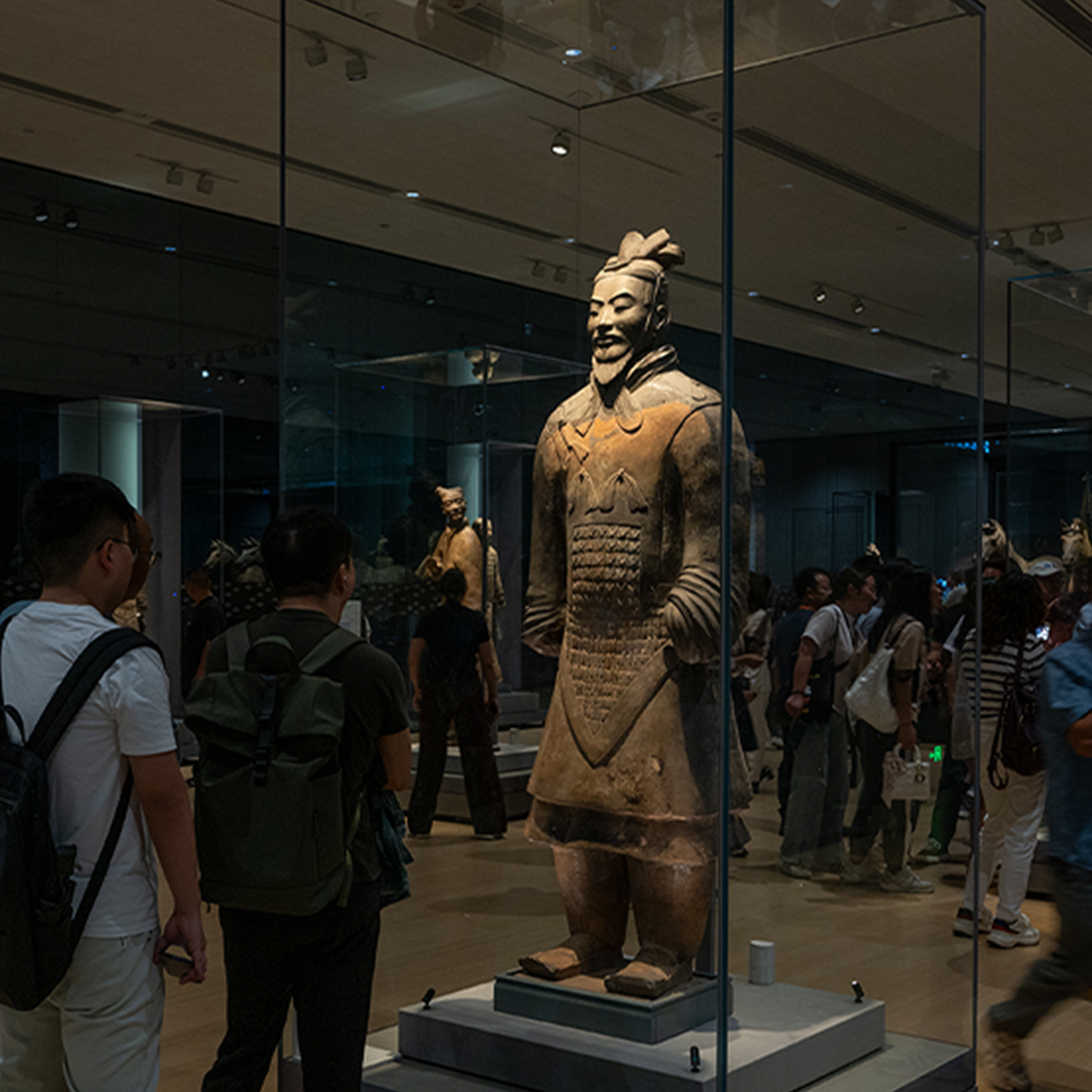
As part of the exhibition environment, lighting not only illuminates exhibits but also shapes the overall atmosphere of the museum space. The appearance of lights should therefore harmonize with the architectural style. AKZU museum lights feature a minimalist industrial design that integrates naturally into museum environments, creating a clean and high-end display atmosphere.
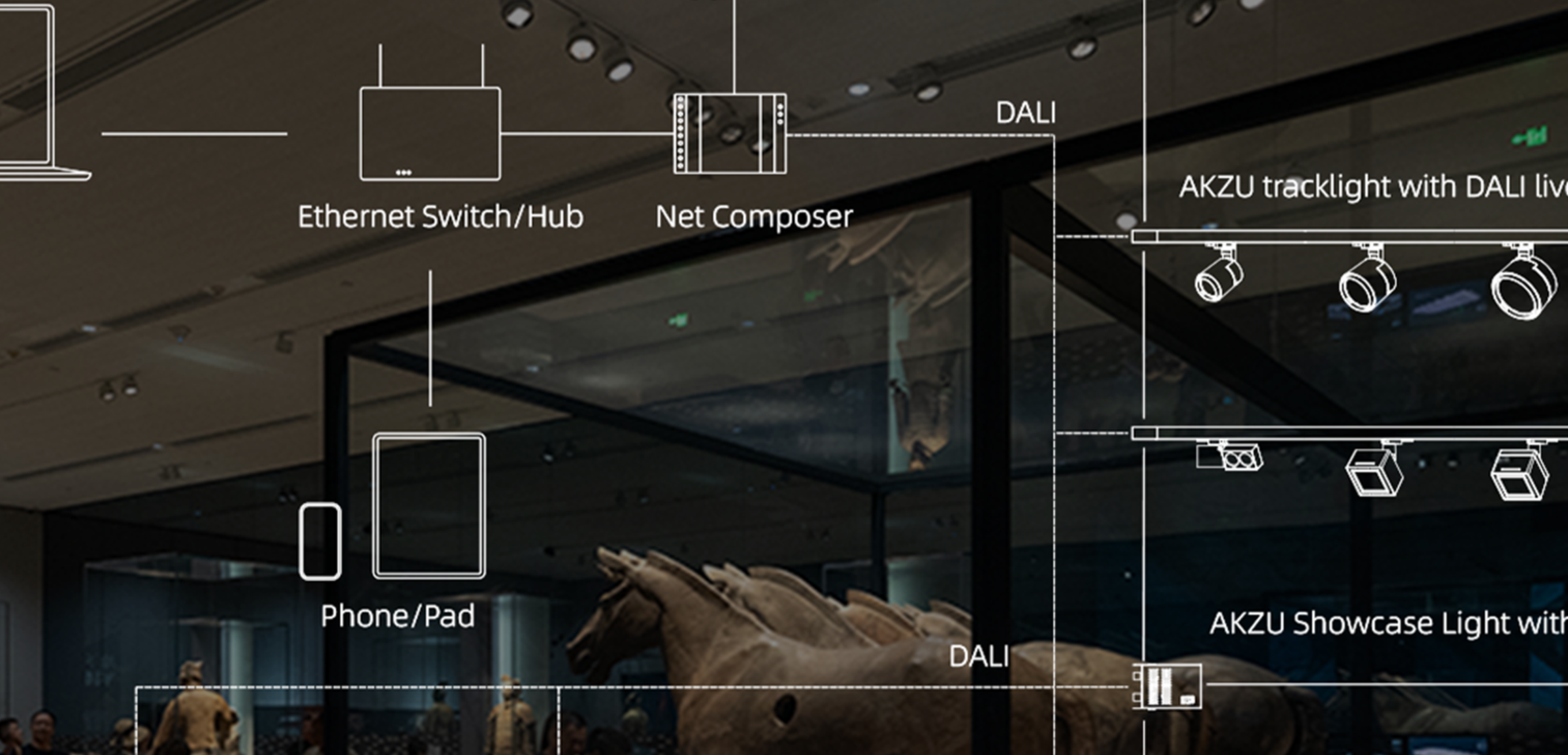
AKZU DALI intelligent lighting system enables flexible control of museum lighting according to different exhibition requirements. It supports single or group control, dimming, scene settings, timer functions, sensor integration, centralized monitoring, energy management, mobile operation, and remote control, providing convenient lighting management and precise illumination for exhibits.